
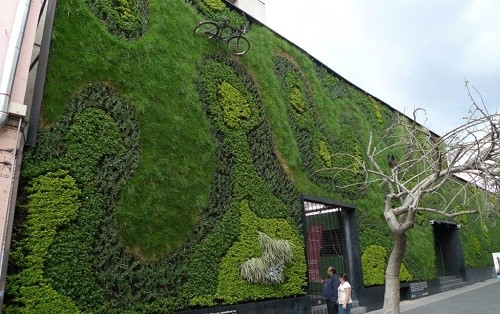
Have you ever had questions about Vertical gardens like these?
What is a Vertical garden?
A Vertical garden, also known as a green wall, Vertical garden, or living wall, is essentially a vertical structure covered with plants. Green walls can be installed both indoors and outdoors due to the various benefits they offer, which we’ll discuss later in this article.
While the concept of using Vertical garden has always existed, its implementation has seen significant growth in the past 25 years. However, due to its relatively recent adoption, designers often encounter various questions, such as “What is a Vertical garden, and how is it constructed?” or “Won’t installing a Vertical garden inside my apartment cause long-term damage to the walls?” This article aims to provide comprehensive answers to such questions.
In this article, you’ll learn:
- What are the characteristics of Vertical gardens, and how do they differ from other facades?
- What are the types of Vertical gardens and their uses?
- What are the advantages and disadvantages of Vertical gardens?
Characteristics of Vertical gardens and How They Differ from Other Facades:
Unlike regular walls, Vertical gardens are equipped with a plant-growing medium that can serve both as a support structure and a nutrient source for plants. Additionally, these walls include irrigation systems in most cases.
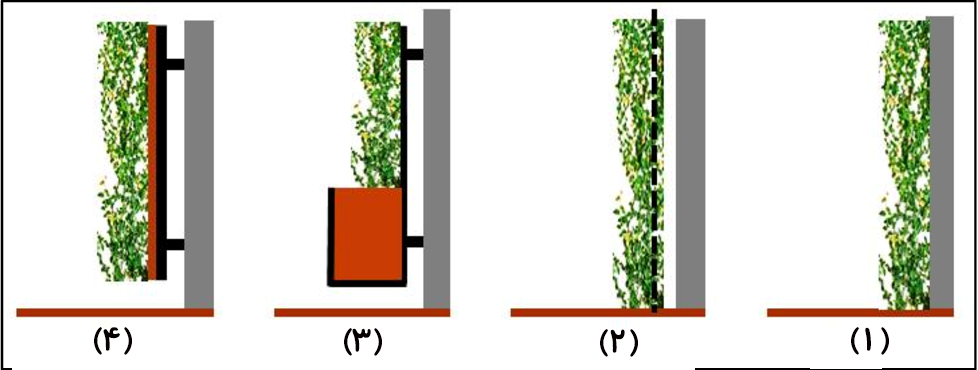
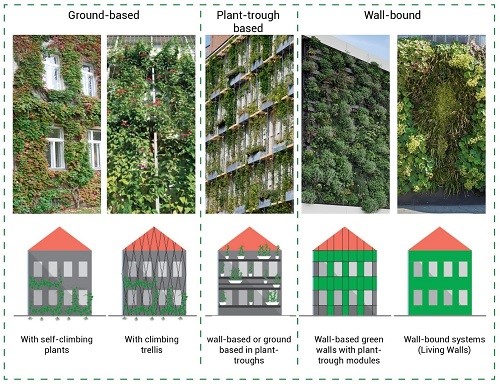
It’s important not to confuse green walls with green facades or some walls covered with plants in residential gardens or on the exterior of buildings. Two main distinguishing features are as follows:
Firstly, in green facades, the plant roots are in pots or in the ground in front of the wall or trellis. In contrast, in Vertical gardens, the plants are installed on the wall’s surface, with their roots integrated into the growth medium, allowing them to be planted in various sections of the wall for rapid expansion. Green facades may take several years to achieve acceptable growth, whereas Vertical gardens can establish more quickly.
Secondly, green facades typically utilize climbing plants like ivy or vines, while Vertical gardens can support the growth of a wide range of plant species, offering greater flexibility in plant selection.
Types of Vertical gardens and Their Uses:
Vertical gardens can be categorized into three main types, and the choice of which one to use depends on the client’s requirements:
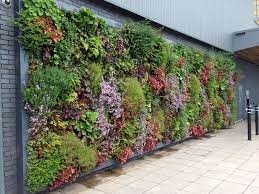
- Modular or Panel Vertical gardens: In this system, plants are grown in panels 6 to 8 weeks before installation, and then they are placed on the exterior or interior of a building, depending on the design. This model minimizes damage during installation, can be implemented both indoors and outdoors, and provides immediate visual impact due to the fully grown plants.
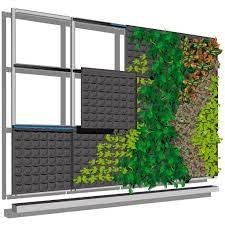
- Planter or Cable System: In this system, planters containing mature plants are attached to the wall via a cable network. This design offers high flexibility, as planters can be easily removed or replaced. It is often more cost-effective than modular systems and is commonly used for indoor building designs. However, care should be taken to manage soil-based planters to prevent soil or water leakage.
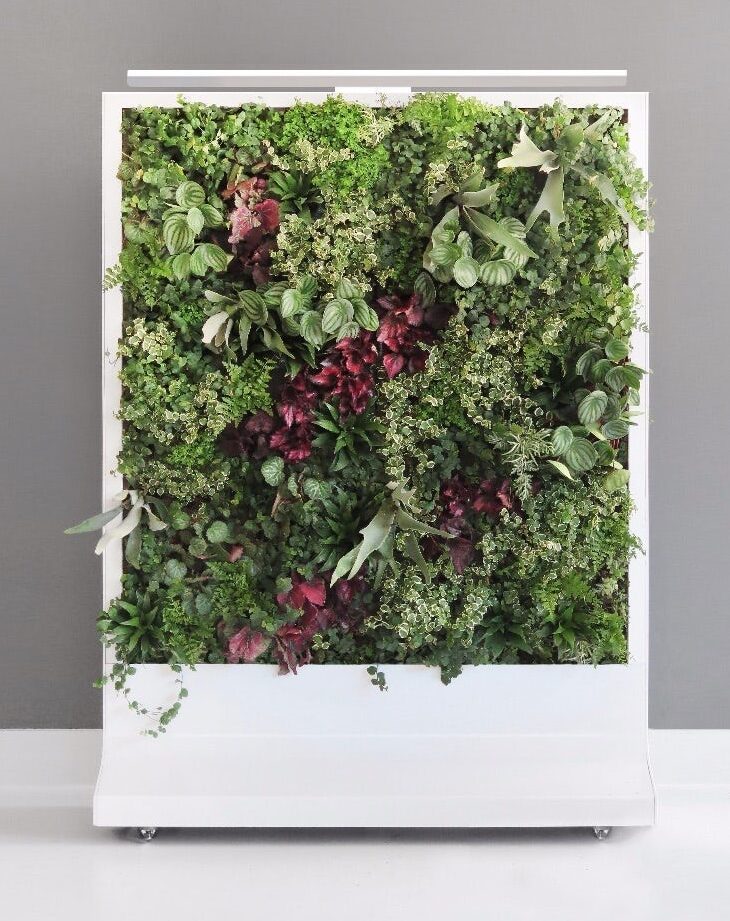
- Freestanding Green Walls: These are smaller, movable versions of Vertical gardens that can be placed indoors or outdoors against a wall or as room dividers. They are suitable for temporary space enhancement or partitioning purposes.
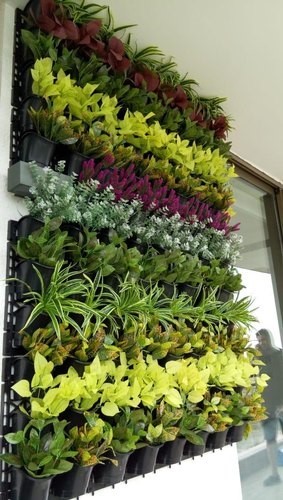
How to water
- Panel systems typically use a drip irrigation method, with pipes connected to the building’s water supply.
- Planter and cable systems often employ reservoir-based irrigation, where the planters need regular refilling of water and nutrient solutions.
Plant Selection:
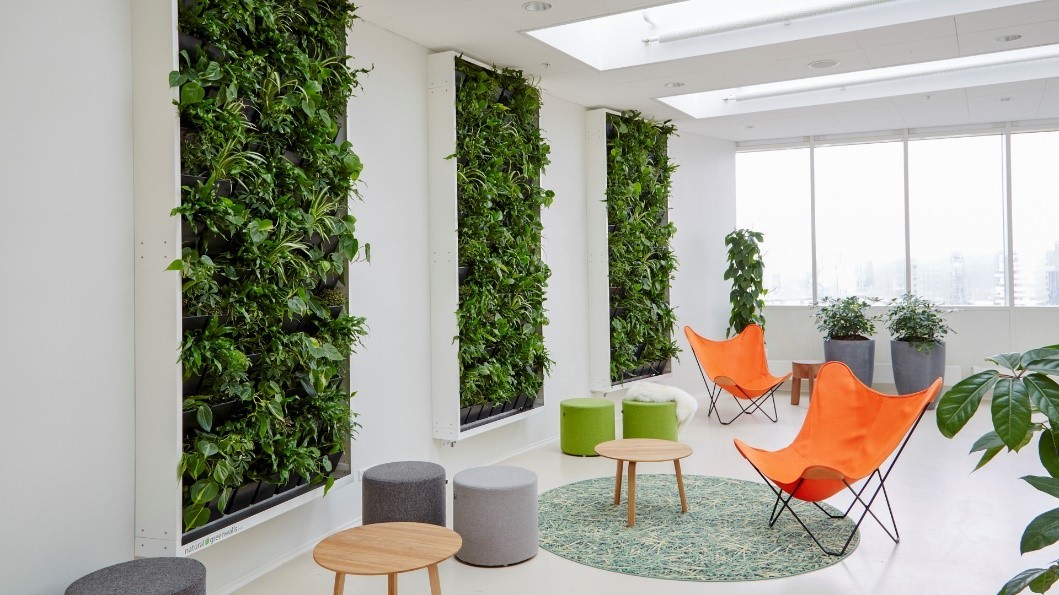
The choice of plant species for Vertical gardens inside buildings is quite flexible and depends on personal preferences. However, it’s generally recommended to avoid heavy, slow-growing plants with extensive root systems. Green, tropical, or subtropical plants are preferred for their aesthetic appeal.
For outdoor Vertical gardens, considering the plants’ climatic requirements based on the local climate is crucial to optimize maintenance costs.
Additional strategies such as coordinating plant growth, using supplemental LED lighting in low-light areas, and employing sensors for moisture and plant health monitoring can help prolong the lifespan of the plants in Vertical gardens.
Advantages and Disadvantages of Vertical gardens:
Advantages:
Beauty: The first thing that comes to mind regarding Vertical gardens is the beauty and eye-catching aesthetics they create. This is particularly attractive in places like apartment interiors or on facades where there is limited space or no surface area for traditional planting.
Air Purification: Vertical gardens have no limits in terms of space and location, making them suitable for any urban green space. Their ability to house numerous plants and reduce air pollution has led to their adoption in many cities as part of urban greening initiatives. Inside apartments, dedicating space to air-purifying indoor plants is also a popular choice.
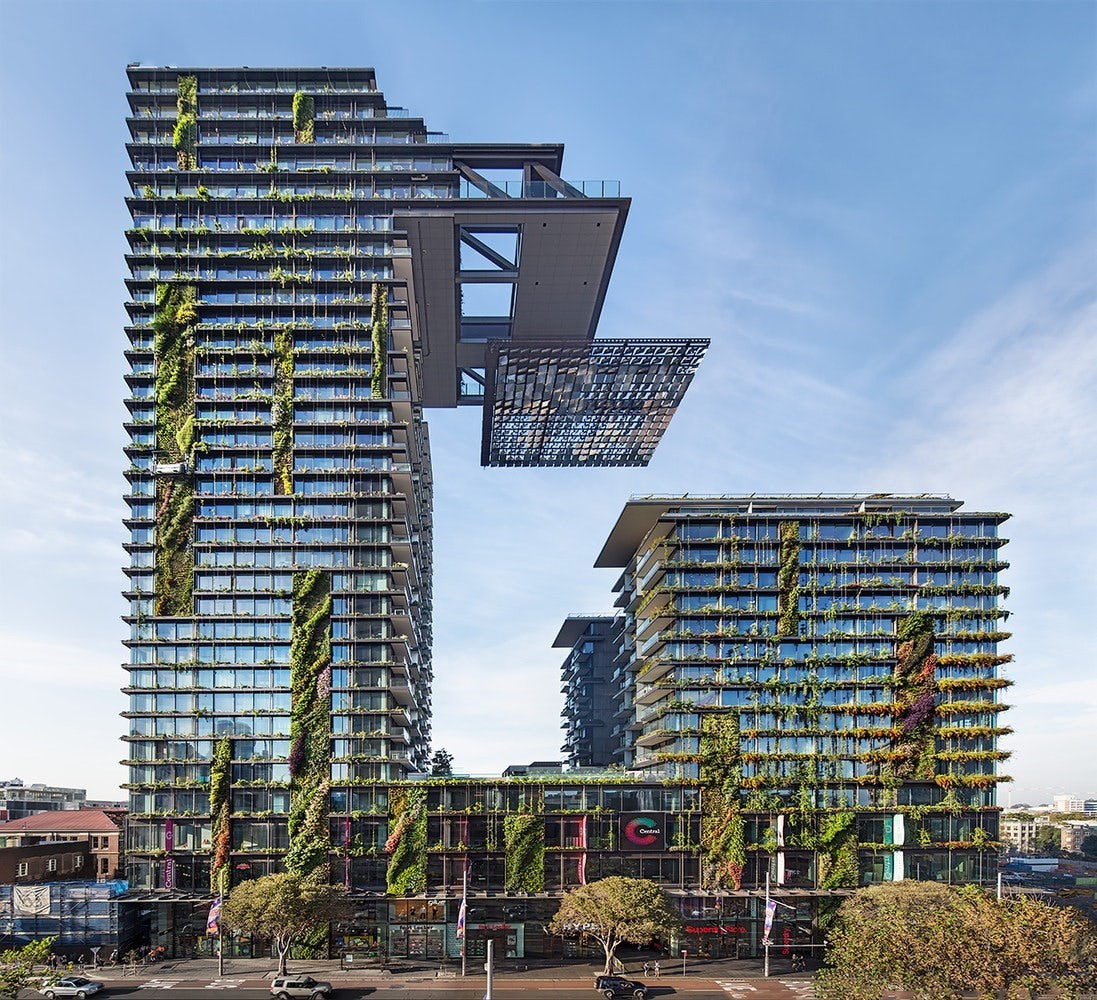
Creating Serenity: One of the main goals of urban green spaces and maintaining potted plants in homes is to evoke a sense of calm and joy. Imagine a large living room wall or a small house foyer covered in leaves and flowers, or passing by a large building with a Vertical garden. The role of plants in improving our mental well-being is substantial and valuable.
Environmental Impact: By increasing green space, Vertical gardens help mitigate adverse environmental effects in urban areas. They can contribute to reducing carbon dioxide levels in the atmosphere, thus having a positive impact on mitigating global warming.
Noise Reduction: Plant leaves have the ability to absorb sound waves. Increasing the number of plants can help absorb unwanted noises in urban environments, contributing to noise pollution reduction.
Energy Management: Vertical gardens can act as thermal insulators, reducing energy consumption required to heat or cool a building.
Building maintenance and safety costs: The use of a vertical garden in the facade of the building leads to its protection from destructive factors such as sunlight and natural factors such as rain and wind, and it protects the building from destruction by controlling temperature fluctuations.
Disadvantages:
Drainage Issues: If the Vertical garden system is not properly designed, it may suffer from drainage problems, potentially causing root damage to the plants.
Load-Bearing on the Main Wall: If plants are not placed on the wall properly or if engineering aspects are not considered, the weight of the plants on the main wall may lead to settling, cracking, or damage to the wall.
Potential Wall Damage from Roots: Improper plant selection, installation, or unsuitable materials can lead to plant roots penetrating the wall’s structure, causing damage over time.
Health Issues for Building Occupants: Some plants may attract specific insects or trigger allergic reactions in individuals. Therefore, plant selection should be done with consideration for the preferences and constraints of the building’s occupants.
Maintenance Challenges: Neglecting irrigation and nutrition systems, especially for plants on a large scale or at high elevations, can pose risks to the survival of the plants.
All of these points and many more stem from insufficient knowledge, subpar materials, and improper execution. If you are interested in implementing a Vertical garden in your living space or gaining more information in this field, the consulting team at Dano Architects is at your service.


Leave A Comment