
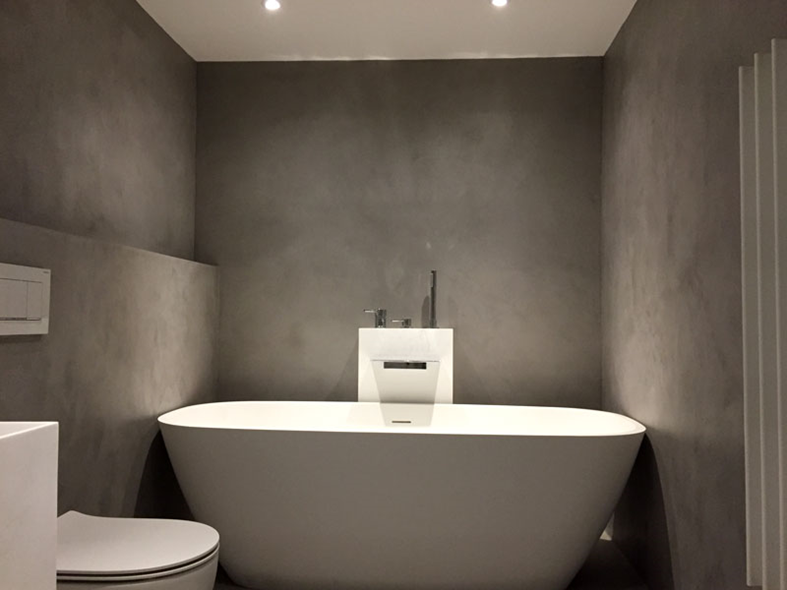
Familiarity with types of microcement and their application
Microcement is a durable decorative coating with a polymer structure. It is composed of organic-mineral composites based on cement, water-based resins, additives, and mineral pigments. Its beauty and durability have gained the attention of architects and interior designers, making it the most unique choice in 2015. Microcement can be used on both interior and exterior surfaces, both horizontally and vertically, and it is also a suitable option for covering floors and walls. Therefore, due to its reasonable price, it is recommended for those looking to create beauty with a concrete-like design.
Microcement has numerous advantages, with the most important being its seamless and cohesive surface. This smooth surface makes maintenance, cleaning, and repairs easy. In other words, this coating is applied continuously without the need for seams or gaps, regardless of the required area. The variety of textures available for this coating, along with its manual application, makes it a unique product, as no two surfaces will be the same in various projects.
Furthermore, one should not underestimate its strong adhesion. Microcement can adhere to various substrates such as tiles, cement, bricks, and more. After the application of this coating, the final thickness reaches a maximum of 3 millimeters, so with high precision and time investment, a beautiful and acceptable renovation can be achieved. It’s worth noting that this product is highly resistant, which is why it’s favored for use in high-traffic areas.
The drying process of microcement is very fast, so its application does not require a significant amount of time. In conclusion, this beautiful coating with a matte, semi-gloss, or glossy appearance has been introduced to the market, and customers can use it according to their personal preferences in various places, such as homes, commercial offices, hotels, and more, for flooring, ceilings, walls, facades, stairs, and even furniture.
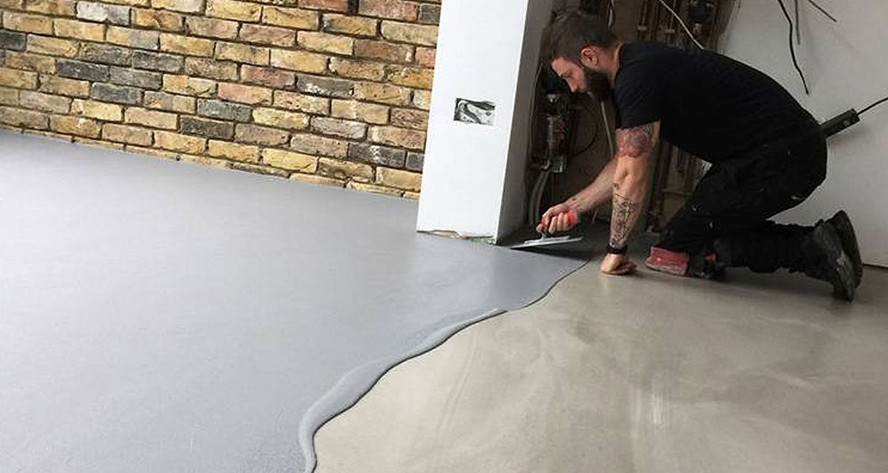
Application of Microcement on Floors
How to Apply Microcement
The process of applying microcement involves three main stages:
- Surface Preparation: The surface must be prepared properly, including the application of Micro base in two stages along with fiberglass mesh. The substrate should be resistant, clean, and have less than 5% humidity.
- Final Layer Application: In the next stage, the final layer is applied in two stages. This stage involves the use of the desired texture and color, along with additives that improve mechanical and chemical properties of the final product.
- Protective Layer: The final stage involves creating a protective layer. Since all coatings are exposed to wear, moisture, and more, this step is essential. To achieve this, a layer of transparent resin lacquer is applied to the work.
Understanding the Benefits of Microcement Coatings
Microcement decorative coatings have numerous advantages, including:
- Smooth, seamless, and cohesive surface.
- High potential for application on various surfaces, including walls, ceilings, and more.
- Wide range of colors and textures.
- Strong adhesion and cohesion.
- Usable on various substrates, including cement, tiles, various stones, gypsum, and more.
- High resistance to scratches, heat (thermal shocks), chemicals, and more.
- High potential to create non-slip surfaces as needed.
- Maximum thickness of 3 millimeters, which minimizes the load on structures and buildings.
- Easy and tool-free application.
- Environmentally friendly.
- Easy maintenance and cleaning, often requiring just water and soap.
- Seamless surface, preventing the accumulation of bacteria and microorganisms.
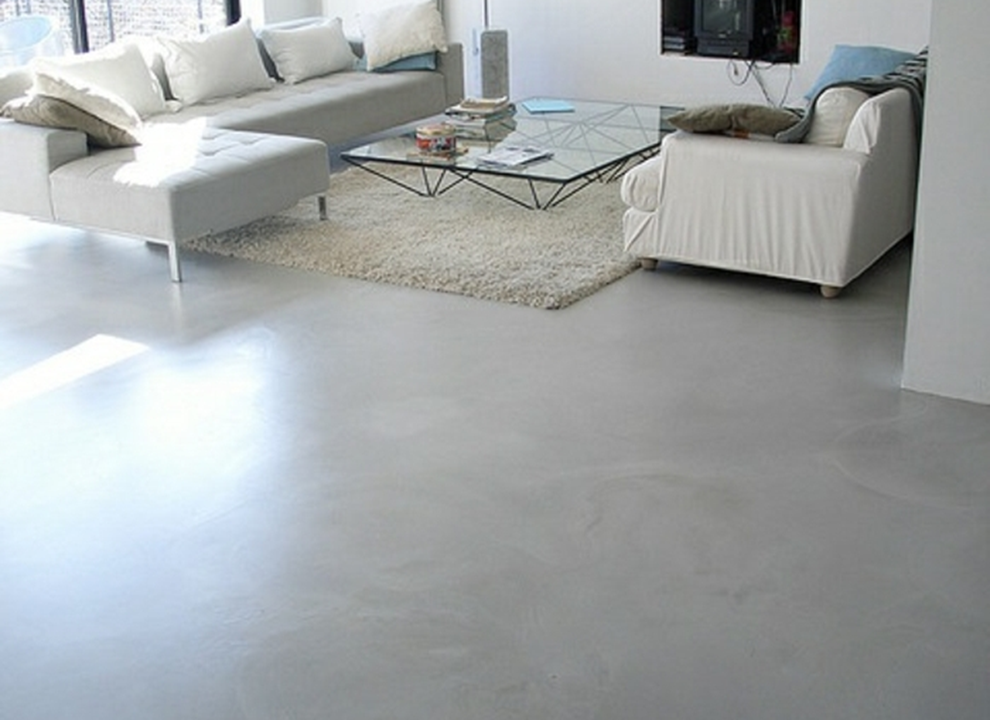
“Cost of Microcement Installation
The cost of installing microcement coating per square meter is influenced by various factors, including the cost of sourcing raw materials, professional installation, and the quality of work. Therefore, estimating the cost is a technical and specialized matter conducted by experts in this field. However, in general, the following factors can affect the final price:
- Surface Type: The first significant factor is the type of surface where the coating will be applied. For instance, applying this coating on uneven surfaces with seams (such as tiles and mosaics) requires multiple work stages, leading to increased costs.
- Type of Space: Installing microcement coating on surfaces with many edges and corners (e.g., stairs) can be more challenging and time-consuming, resulting in higher costs.
- Color Variety: Creating color variations in an area can also add to the cost since it involves extra materials and labor.
- Coverage Area: The total area to be covered is another factor influencing the final cost. Fixed costs like labor and installation time have no relation to the coverage area.
Strength and Durability of Microcement Coatings
Despite its minimal thickness, the materials used in microcement are highly resistant, making it a suitable choice for high-traffic and heavily-used areas. Besides the primary raw materials, the use of a clear resin lacquer has contributed to its abrasion resistance. It is worth noting that this clear resin layer also enhances its chemical resistance. By clear resin, we refer to epoxy or polyurethane clear lacquer compounds.
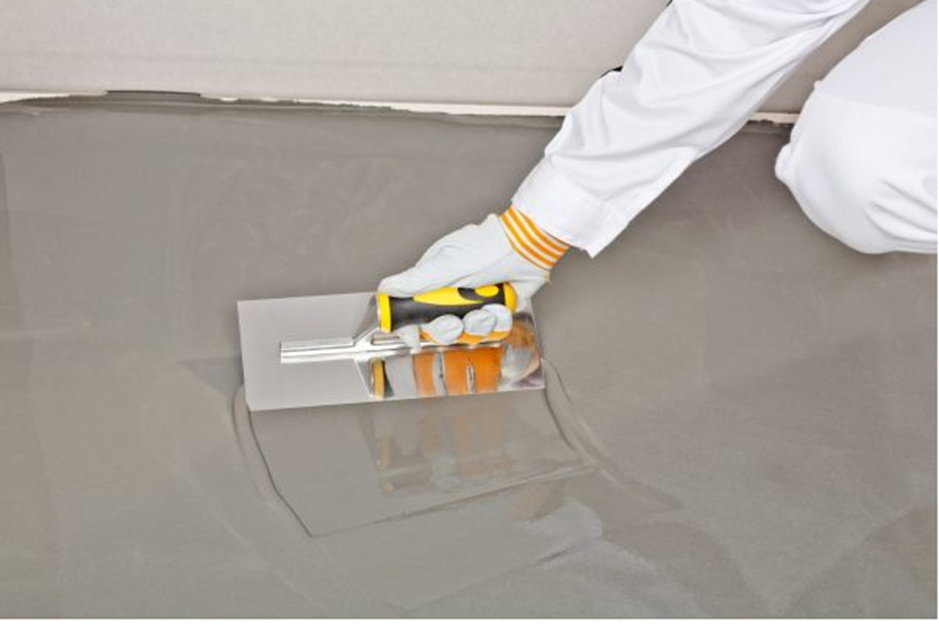
Types of Microcement Coatings
Microcement coatings come in various types, and the choice depends on the specific requirements and desired effects of the project. Some common types include:
- Microbase: This type has an irregular texture, making it suitable for walls and other surfaces.
- Microstone: Microstone is often used for building exteriors and outdoor surfaces because it resembles stone in color and appearance and has an acceptable thickness.
- Microdeck: While it may appear ordinary, Microdeck is incredibly durable, making it most suitable for high-traffic flooring areas.
- Microfino: Microfino has waterproof properties and provides a polished finish, making it a great choice for walls.
- Aquacement: Aquacement has high resistance to salt and chlorine gases, making it a common choice for pools and water features.
These are some of the key points about microcement and its various types.”


Leave A Comment