
Interior Plant Scaping

The Art and Benefits of Interior Plant Scaping
In today’s fast-paced world, creating a harmonious and refreshing environment within our living and working spaces has become more important than ever. One way to achieve this is through the art of Interior Plant Scaping, a practice that involves the strategic placement of plants and greenery within interior spaces. In this comprehensive guide, we will explore the world of Interior Plant Scaping, its benefits, and how it can transform your space into a greener, healthier, and more aesthetically pleasing environment.
What is Interior Plant Scaping?
Interior Plant Scaping, also known as interior landscaping or indoor plant design, is the art of using plants and greenery to enhance the interior of buildings and spaces. This practice involves carefully selecting, arranging, and maintaining plants to create a visually appealing and functional indoor environment. Interior Plant Scaping can be applied to various settings, including homes, offices, hotels, restaurants, shopping malls, and more.
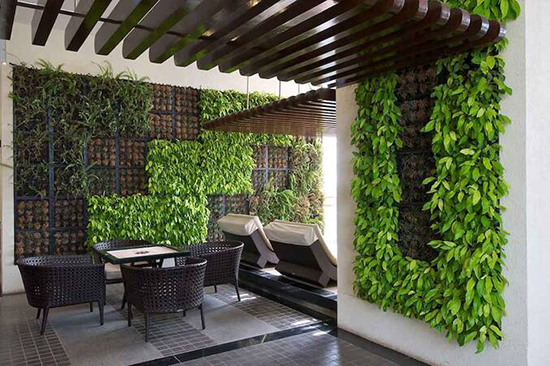


The Benefits of Interior Plant Scaping
1- Improved Air Quality
One of the most significant advantages of Interior Plant Scaping is its ability to improve indoor air quality. Plants naturally filter and purify the air by absorbing pollutants and releasing oxygen. This can help reduce common indoor pollutants such as formaldehyde, benzene, and trichloroethylene, leading to a healthier and more comfortable living or working space.
2- Stress Reduction
Research has shown that the presence of indoor plants can reduce stress and anxiety levels. The sight of greenery and natural elements has a calming effect on the human mind, promoting relaxation and well-being. This can be especially beneficial in high-stress environments like offices.
3- Enhanced Aesthetics
Interior Plant Scaping can significantly enhance the aesthetics of any space. Well-placed plants add color, texture, and life to interiors, creating a more visually appealing atmosphere. They can be used to complement existing décor and even act as focal points in a room.
4- Increased Productivity
In office environments, the introduction of indoor plants has been linked to increased productivity and creativity among employees. Plants can help reduce distractions, improve concentration, and create a more pleasant workspace.
5- Better Acoustics
Plants can also contribute to better acoustics in indoor spaces. They absorb sound and reduce background noise, creating a quieter and more peaceful environment.
6- Energy Efficiency
Certain plants can help regulate indoor temperatures and humidity levels, leading to energy savings. This is particularly valuable in commercial buildings where energy efficiency is a priority.
Choosing the Right Plants
Selecting the right plants for Interior Plant Scaping is crucial to ensure success. Factors to consider include:
1- Light Requirements
Different plants have varying light requirements. Some thrive in low-light conditions, while others require direct sunlight. Assess the available natural light in your space and choose plants accordingly.
2- Maintenance Needs
Consider the level of maintenance you can provide. Some plants are low-maintenance and require minimal care, while others may need more attention, including regular watering and pruning.
3- Size and Growth Habit
Think about the available space and the size of the plants you want to use. Choose plants that fit the scale of your interior and their intended placement.
4- Aesthetic Appeal
Select plants that complement the overall design and aesthetics of your space. Consider color, texture, and shape when making your choices.

Designing with Plants
Once you’ve chosen the right plants, it’s time to design your interior space. Here are some tips:
1- Grouping
Create visually appealing arrangements by grouping plants together in clusters. This can add depth and interest to your design.
2- Containers
Choose decorative containers or planters that match your interior décor. Consider using a variety of container styles to add diversity to your design.
3- Vertical Gardens
Vertical gardens, also known as green walls, are a popular trend in Interior Plant Scaping. They allow you to maximize your use of space and create a stunning focal point.
4- Focal Points
Use larger or uniquely shaped plants as focal points in your design. These plants can draw attention and create a striking visual impact.
5- Humidity Levels
Indoor plants often thrive in environments with higher humidity levels. To create a suitable humidity level for your plants, you can use a humidity tray or a room humidifier. Misting your plants with water can also provide a quick moisture boost, especially during dry periods.
6- Repotting
As your plants grow, they may outgrow their pots. Repotting is necessary to provide them with enough space for their roots to expand. Be sure to choose a slightly larger pot with proper drainage when repotting your plants.
7- Soil Quality
Selecting the right type of soil is essential for your plants’ well-being. Different plants have different soil requirements. Some may prefer well-draining soil, while others thrive in a more moisture-retentive mix. Research your plant’s specific needs and repot accordingly.
8- Rotation
Rotate your plants periodically to ensure even growth and prevent them from leaning toward the light source. This will help maintain a balanced and aesthetically pleasing appearance.

Customizing Your Interior Plant Scaping
Interior Plant Scaping is a versatile art that allows you to customize your space according to your preferences and needs. Here are some additional ideas for personalizing your plant design:
1- Theme-Based Scaping
Consider creating interior plant designs that follow specific themes, such as tropical, desert, or minimalist. These themes can help create a cohesive and visually striking atmosphere.
2- Seasonal Changes
Refresh your interior plant arrangements with the seasons. Different plants thrive during different times of the year, so you can adapt your interior landscaping to match the changing seasons.
3- Incorporating Artifacts
Integrate decorative artifacts like statues, pots, or artwork into your plant design. These elements can add a unique touch to your interior and complement the overall aesthetics.
4- Sustainable Planting
For eco-conscious individuals and businesses, consider using sustainable practices like planting native species or using recycled and repurposed materials for your interior plant scaping.
5- Sustainable landscaping
For individuals and businesses who care about the environment, you may want to consider sustainable landscaping. This includes using native plants or using recycled and reused materials in your indoor plant design.
Maintenance and Care
To keep your interior plants thriving, regular maintenance is essential. Here are some care tips:
1- Watering
Water your plants according to their specific needs. Overwatering can be as harmful as underwatering. Use a saucer or tray to catch excess water and prevent damage to your furniture.
2- Pruning and Trimming
Regularly prune and trim your plants to maintain their shape and prevent overgrowth. Remove dead or yellowing leaves to keep your plants looking their best.
3- Fertilizing
Feed your plants with a balanced, water-soluble fertilizer during the growing season to promote healthy growth.
4- Pest Control
Inspect your plants for signs of pests and take action promptly if you notice any issues. Common indoor plant pests include aphids, mealybugs, and spider mites.

