
Office Furniture and Partitions

Designing and implementing an efficient and productive office space
The design and layout of your office space have a significant impact on the productivity and well-being of your employees. In this article, we will explore the importance of office furniture and partitions in creating an efficient and productive workspace.
The Role of Office Furniture
Office furniture is not just about providing a place to sit and work; it plays a vital role in shaping the overall office environment. Well-designed office furniture can enhance comfort, promote good posture, and improve the aesthetics of the workspace. Here are some key aspects to consider when choosing office furniture:
- Ergonomics: Ergonomic furniture is designed to support the natural posture and movements of the human body. Invest in ergonomic chairs and adjustable desks to reduce the risk of discomfort and musculoskeletal problems among your employees.
- Functionality: Office furniture should be functional and adaptable. Choose desks and chairs that can be easily adjusted to accommodate different work styles and preferences.
- Aesthetics: The appearance of office furniture can influence the overall atmosphere of the workspace. Consider the color, style, and design of furniture to create a cohesive and appealing office environment.
- Storage Solutions: Adequate storage is essential to keep the workspace organized. Invest in filing cabinets, shelving units, and storage drawers to help employees keep their work areas clutter-free.
- Collaboration Spaces: In addition to individual workstations, create collaborative spaces with comfortable seating and modular furniture to encourage teamwork and creativity.
- Sustainability: Consider eco-friendly and sustainable furniture options to reduce your office’s environmental impact.
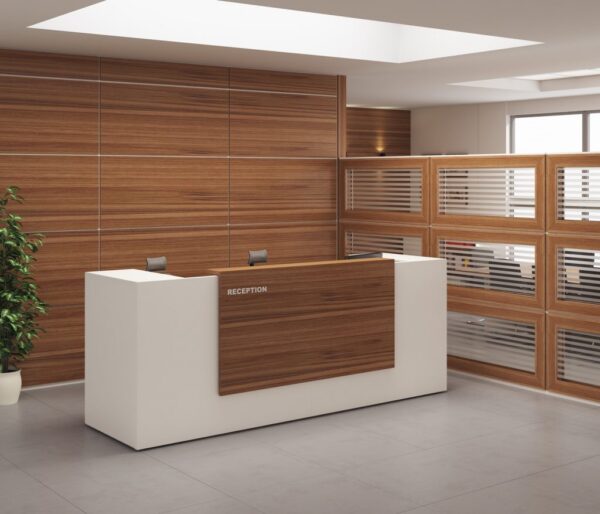

Office Partitions: Dividing and Defining Spaces
Office partitions are an essential element in modern office design. They serve several important functions:
- Space Division: Partitions create distinct work areas within an open-plan office, providing employees with a sense of privacy and delineating different departments or teams.
- Acoustic Control: Sound-absorbing partitions can help reduce noise levels in a busy office, improving concentration and productivity.
- Flexibility: Modular partitions can be easily reconfigured to adapt to changing office layouts and accommodate growth.
- Privacy: Partitions can provide individual workspaces, meeting rooms, or quiet zones where employees can focus without distractions.
- Aesthetics: Choose partitions that complement the overall office design and contribute to a visually appealing workspace.


Designing a Functional Office Layout
When planning your office layout, it’s essential to strike a balance between open collaborative spaces and private work areas. Here are some tips for designing a functional office layout:
- Consider Workflow: Understand the workflow and communication patterns within your organization. Design the office layout to support these processes efficiently.
- Natural Light: Maximize natural light by placing workstations near windows. Natural light has been shown to boost mood and productivity.
- Furniture Arrangement: Arrange furniture strategically to create clear pathways and optimize traffic flow. Avoid overcrowding and ensure that employees can move around comfortably.
- Meeting Spaces: Designate areas for meetings and discussions. Provide various-sized meeting rooms, from small huddle spaces to large conference rooms, to accommodate different types of gatherings.
- Employee Input: Involve employees in the design process and gather feedback on their preferences. This can lead to a more inclusive and employee-centric workspace.
- Wellness: Consider incorporating elements of biophilic design, such as plants and natural materials, to promote well-being.

The Impact of Office Design on Productivity
Numerous studies have shown that a well-designed office space can have a positive impact on employee productivity and satisfaction. Some key findings include:
- Improved Concentration: Effective office layouts, including partitions that reduce distractions, can lead to better concentration and focus.
- Enhanced Collaboration: Collaborative spaces with the right furniture can encourage teamwork and innovation.
- Employee Well-Being: Ergonomic furniture and well-lit, comfortable workspaces contribute to employee well-being and job satisfaction.
- Retention and Recruitment: A thoughtfully designed office can attract top talent and improve employee retention rates.


Designing an Office for the Future: Trends in Office Furniture and Partitions
As the modern workplace continues to evolve, so too do the trends in office furniture and partitions. To create an office space that is not only functional but also adaptable to future needs, it’s essential to stay up-to-date with the latest design trends. Here are some of the emerging trends in office furniture and partitions:
1. Flexible Workstations
One of the most significant trends in office design is the move towards flexible workstations. As remote work becomes more common, employees are no longer tethered to their desks. Instead, they need flexible workspaces that allow them to choose where and how they work. This trend has led to the rise of hot-desking and the incorporation of movable, modular furniture that can be easily reconfigured to accommodate changing needs.
2. Biophilic Design
Biophilic design, which incorporates natural elements into the workspace, is gaining popularity. Office furniture and partitions made from sustainable materials, as well as the inclusion of plants and natural lighting, can create a more pleasant and productive work environment. Biophilic design has been shown to reduce stress and improve overall well-being.
3. Privacy Pods
While open-plan offices encourage collaboration, they can sometimes lack privacy. Privacy pods or phone booths are becoming a common solution to this issue. These small, enclosed spaces provide employees with a quiet, private area to make phone calls, hold meetings, or focus on individual tasks.
4. Wellness-Centric Furniture
Wellness-focused office furniture is designed to support employees’ physical and mental well-being. This includes ergonomic chairs and sit-stand desks that promote good posture and reduce the risk of musculoskeletal issues. Some innovative office furniture even incorporates features like built-in air purifiers and lighting designed to mimic natural daylight.
5. Smart Office Furniture
As technology continues to play a central role in the workplace, smart office furniture is on the rise. This includes desks with built-in charging stations, chairs that provide posture feedback, and interactive whiteboards that can be integrated into office partitions. Smart furniture not only enhances productivity but also adds a futuristic touch to the office.
6. Sustainable and Eco-Friendly Materials
Sustainability is a growing concern for many organizations. As a result, there is an increasing demand for office furniture made from eco-friendly and recyclable materials. Companies are looking for furniture that is not only functional and aesthetically pleasing but also environmentally responsible.
7. Acoustic Solutions
With open-plan offices come noise-related challenges. To address this issue, acoustic solutions are becoming more prevalent. Acoustic panels, ceiling baffles, and sound-absorbing partitions can help create a quieter and more focused workspace.
8. Collaborative Zones
Collaboration remains a key focus in office design. Collaborative zones with comfortable seating, writable walls, and multimedia capabilities are being incorporated into office layouts. These zones encourage spontaneous meetings, brainstorming sessions, and creative collaboration.
9. Customization and Personalization
Employees are seeking more personalized and customized office spaces. Adjustable and modular furniture allows individuals to tailor their workstations to their specific needs and preferences. Personalization not only enhances comfort but also promotes a sense of ownership over the workspace.
10. Post-Pandemic Considerations
The COVID-19 pandemic has had a lasting impact on office design. Many organizations are now considering factors such as social distancing, touchless technology, and enhanced sanitation when selecting office furniture and partitions. These considerations are likely to continue influencing office design in the post-pandemic era.


Conclusion
In today’s fast-paced business world, creating an efficient and productive office space is more important than ever. The right combination of office furniture and partitions can make a significant difference in the well-being and productivity of your employees. By investing in ergonomic, functional, and aesthetically pleasing furniture and using partitions strategically, you can create a workspace that fosters creativity, collaboration, and success.
Remember that office design is not static; it should evolve to meet the changing needs of your organization. Regularly assess and update your office layout to ensure that it continues to support your employees’ productivity and well-being.
