Office architecture and interior design
These days, office interior design is not just about aesthetics and decoration in offices, but it also has a significant direct and indirect impact on employees’ workflow, organizational communication, productivity, job satisfaction, and gaining trust from visitors. Office interior design trends are constantly evolving, and the type of office decoration and equipment used should be in line with the workspace and the products and services offered by the respective organization.
Office Partitions: Office partitions and dividers are essential elements in office interior decoration, often seen as simple and monotonous cubicles. When office partitions are designed and used correctly, they can significantly transform a workspace into a more pleasant office environment. Intelligent partitioning offers flexible options for harmonious collaboration among employees and proper division of existing workspace. Here are some key advantages of placing office partitions in your workplace:
a) Increased Privacy and Noise Reduction: Office partitions provide a completely different level of privacy for an open-plan office. They allow employees to concentrate on their work without distractions and conduct phone calls or professional meetings more effectively. Wall partitions, especially when they are full height, are excellent for reducing noise.
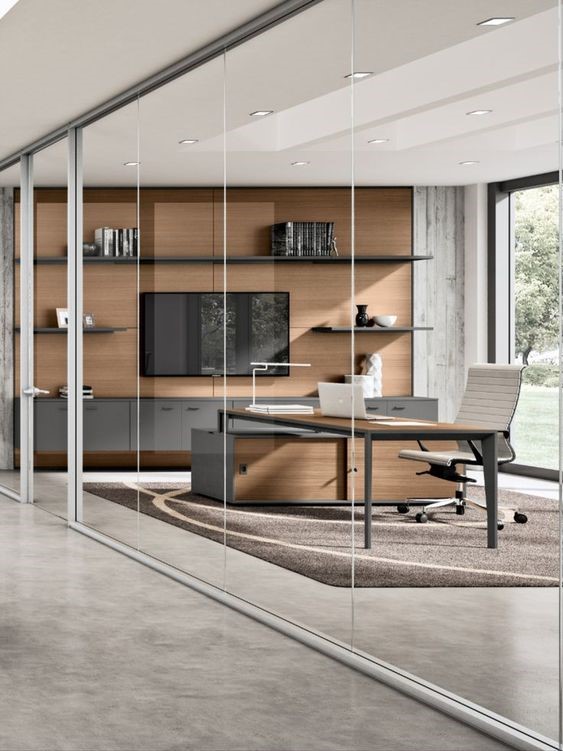
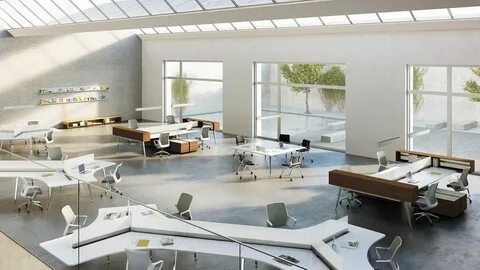
b) Natural or Controlled Sunlight: Glass partitions are an excellent choice for maximizing the use of natural light. This not only adds a positive atmosphere to the office but also reduces energy costs. Glass partitions, rather than walls, also have a more significant impact on showcasing the office for visitors.
c) Cost-Effective: Office partitions are a much more cost-effective way to divide an office space compared to installing permanent walls
The Importance of Color in Office Interior Design:
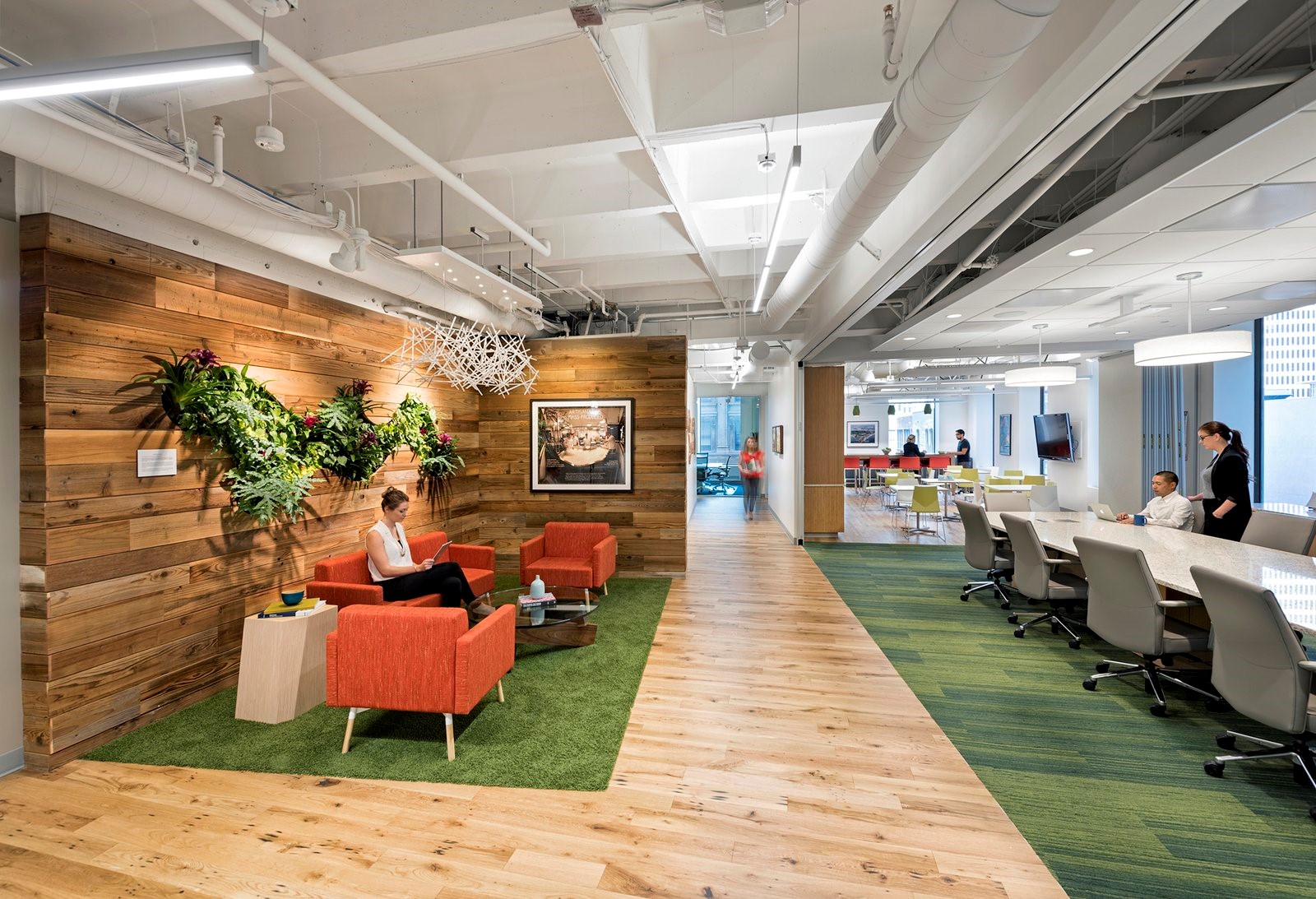
Color can make or break a space. An essential aspect of office interior design is choosing the right colors for the various spaces within a building. Colors fall into two categories: warm and cool tones. Warm colors like red, orange, and yellow can energize a space and its occupants, while cool colors like blue, green, and purple generally create a more calm and relaxed environment. When choosing wall and floor colors, it’s essential to consider the purpose of the space. If high-energy activities are taking place, warm colors may be suitable. On the other hand, cooler tones can be more appropriate for areas designated for relaxation.
Furniture in Office Interior Design:
Your office should reflect your company’s identity while also maintaining professionalism, regardless of whether it has a traditional or modern style. Office furniture comes in many aesthetically pleasing designs. Using office furniture tailored to the organization’s activities can make workstations more comfortable. Ergonomic furniture reduces discomfort and can increase productivity. Color can stimulate the brain and create a more pleasant working environment.
Each piece of office furniture can potentially contribute to your workflow. This doesn’t necessarily mean you have to replace all your furniture at once, but gradually updating your primary office furniture over time is a good idea. This approach allows you to adapt your furniture to your needs over time and stay in sync with office interior design trends.

The Importance of Plants in Office Interior Design:
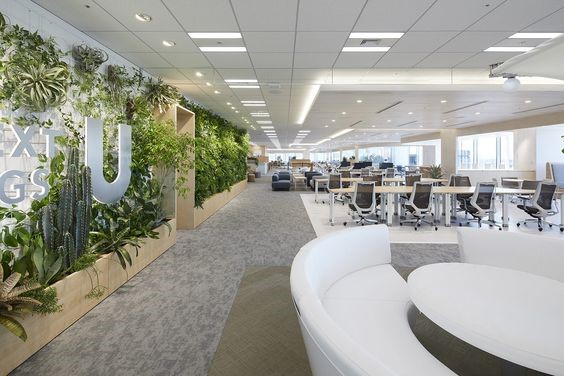
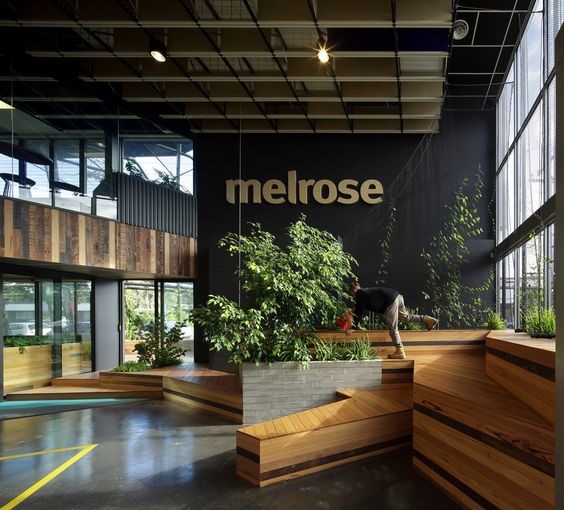
Having plants in the workplace not only creates a natural and beautiful environment but also has a significant positive effect on employees’ well-being. By including plants in your office design, your employees can enjoy the beauty of nature and the physical and psychological benefits that plants provide. Plants bring a visual meditation experience to the workspace, ultimately leading to happier, healthier, and more productive employees. An office full of greenery also conveys a positive image of the brand to visitors.
Using Natural Light in Office Interior Design:
Natural light is always the most suitable source of light since it is the light source our eyes are naturally adapted to. Not only does it have established effects on health and well-being, but it also saves energy and reduces the need for artificial lighting. Therefore, the use of natural light and how it complements artificial light sources is a crucial factor in office interior design. Proper placement of windows for optimal natural light and the intensity and color of the light used are essential aspects of office interior design.
Using Curtains or Blinds in Office Interior Design:
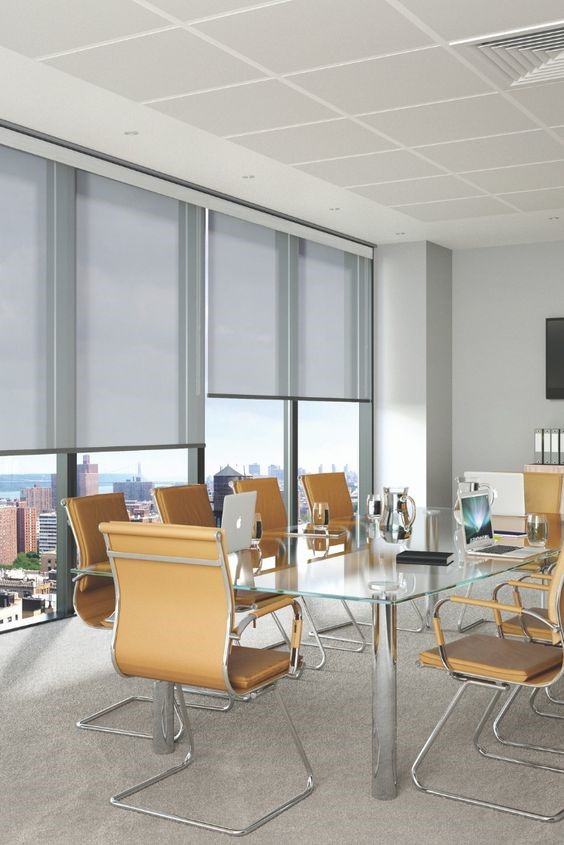
Office curtains or blinds serve two primary functions – protecting against direct sunlight to create a comfortable environment and serving as a decorative element that enhances the overall appearance of the office. The direction and view that office windows provide determine the amount and timing of sunlight. Therefore, curtain selection should take into account the location’s characteristics, the interior space, your taste, and style, as well as practical aspects such as ease of use, maintenance, longevity, and budget.
Creating Employee Rest Spaces:
The final point in office interior design is the importance of designing rest spaces for employees. In addition to ergonomic furniture, lighting, colors, ventilation, and more, rest areas should be prioritized in the office interior. When designing the interior, the needs and preferences of the users of the office should be prioritized to create a comfortable working environment.