
Renovation of Medical Offices and Clinics
Introduction
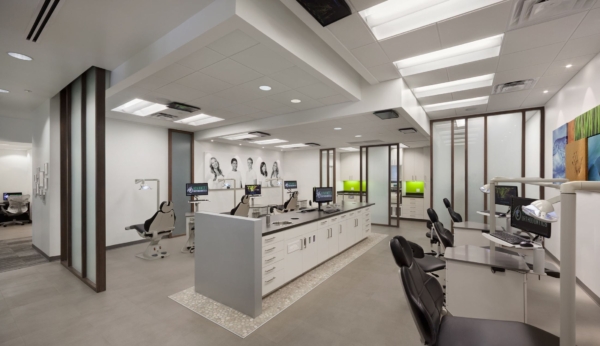
Medical offices and clinics are essential facilities that provide healthcare to patients. They should be designed and equipped to create a comfortable and professional environment that promotes healing. Renovation of medical offices and clinics can be a great way to improve the overall look and feel of the space, as well as to update the facilities to meet the latest standards.
Benefits of Renovating Medical Offices and Clinics
There are many benefits to renovating medical offices and clinics. Some of the most common benefits include:
- Improved patient satisfaction: A well-designed and renovated medical office can create a more comfortable and welcoming environment for patients. This can lead to improved patient satisfaction and loyalty.
- Increased efficiency: Renovations can help to improve the efficiency of the medical office by streamlining workflow and improving the flow of traffic. This can lead to reduced costs and improved productivity.
- Increased revenue: Renovations can help to attract new patients and increase revenue. This is because a well-designed and renovated medical office can create a more positive impression on patients and potential patients.

Steps in Renovating Medical Offices and Clinics
The process of renovating medical offices and clinics can be complex. It is important to follow a systematic approach to ensure that the project is completed on time and within budget.
Define your goals and objectives
The first step in planning a medical renovation is to define your goals and objectives. This will help you focus on what is important and allocate your resources effectively.
Here are some questions you should ask yourself when defining your goals and objectives:
- What do you want to achieve with the renovation?
- How do you want to improve the patient experience?
- How do you want to increase efficiency and productivity?
- How do you want to improve patient satisfaction?
- How do you want to improve your image?
The answers to these questions will help you create a targeted and effective renovation.

Evaluate the existing space and identify needs
The next step is to evaluate the existing space and identify needs. This will help you determine which areas need improvement and what changes you can make.
Here are some things you can do to evaluate your existing space:
- Draw a map of your space.
- Visually inspect the space and note any problems or opportunities you see.
- Talk to patients, staff, and other stakeholders to hear their thoughts on the current space.
Once you have evaluated your existing space, you can start to identify your needs. These needs can include:
- Improved patient experience
- Increased efficiency and productivity
- Improved patient satisfaction
- Improved image
Create a budget and financial plan
Medical renovations can be a significant investment. Therefore, it is important to create a budget and financial plan before you start the project.
Here are some tips for creating an effective budget and financial plan:
- Estimate the potential costs. This includes the costs of materials, labor, equipment, and other expenses.
- Create a realistic budget. Make sure your budget is aligned with your goals and needs.
- Create a financial plan. This plan should include the project timeline, milestones, and budget.
Select a qualified contractor
Choosing a qualified contractor for your medical renovation is very important. A good contractor can help you complete your project on budget and on schedule.
Here are some tips for choosing a qualified contractor:
- Get quotes from several contractors. This will help you get the best price and service.
- Check the contractor’s history and reputation. Make sure the contractor has a successful track record in similar projects.
- Meet with the contractor and discuss your project. Make sure the contractor understands your needs and goals.
Create a timeline and project management plan
A timeline and project management plan will help you keep your project on track. This plan should include the following:
- Start and end dates for the project
- Project milestones
- Responsibilities of each person
- Communication and reporting methods
Execute and supervise
Once you have selected a contractor and created a timeline and project management plan, you can start the execution phase.
During the execution phase, it is important to monitor the progress of the work and make changes as needed.
Inspection, acceptance, and completion
After the project is complete, you should conduct a thorough inspection of the work to ensure that it meets specifications.
Once the inspection is complete, you should accept the project and make payment.
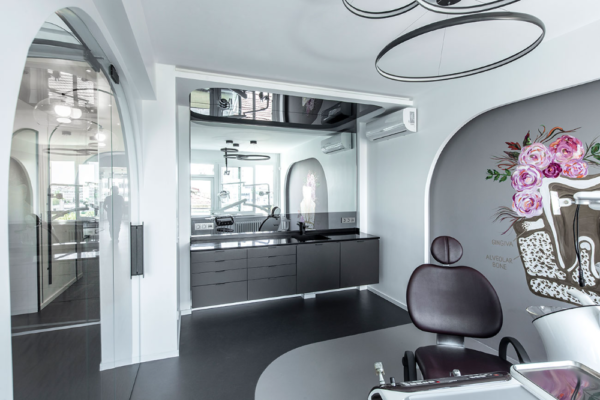
Marketing and communications
After the renovation is complete, it is important to use it for marketing and communications. This will help you get the most out of your investment and attract more patients.
Here are some things you can do to market and communicate your renovation:
- Create a new or updated website that highlights your renovation. Your website should include images and accurate information about your renovation. It should also include a call to action that encourages patients to visit you.
- Create an email marketing campaign that informs your current and potential patients about your renovation. This campaign should include information about the renovation, its timing and location, and its benefits for patients.
- Create social media posts that promote your renovation. These posts should include images and information about the renovation.
- Contact local media to cover your renovation. This can help you reach a wider audience with your renovation.
Common Renovations
There are a number of common renovations that can be made to medical offices and clinics. Some of the most common renovations include:
- Resurfacing walls and floors
- Replacing cabinetry
- Updating lighting
- Adding new furniture
- Installing new technology
Resurfacing walls and floors can help to create a fresh and updated look for the space. There are a number of different materials that can be used for resurfacing, including paint, wallpaper, and tile.
Replacing cabinetry can help to update the look and functionality of the space. There are a number of different styles and materials that can be used for cabinetry, so it is important to choose the right options for the specific needs of the medical office.
Updating lighting can help to improve the overall ambiance of the space. There are a number of different lighting options available, so it is important to choose the right options for the specific needs of the medical office.
Adding new furniture can help to create a more comfortable and inviting space. There are a number of different styles and materials available, so it is important to choose the right options for the specific needs of the medical office.
Installing new technology can help to improve the efficiency and productivity of the medical office. There are a number of different technologies that can be installed, such as patient check-in systems, electronic health records, and telemedicine.

Additional Renovation Considerations
In addition to the common renovations listed above, there are a number of additional considerations that should be taken into account when renovating a medical office or clinic. These considerations include:
- Accessibility: Medical offices and clinics should be accessible to all patients, including those with disabilities. This includes ensuring that the space is wheelchair accessible, that there are ramps and railings where necessary, and that signage is clear and easy to read.
- Safety: Medical offices and clinics should be safe for patients and staff. This includes ensuring that the space is properly ventilated, that there are fire alarms and sprinklers, and that hazardous materials are properly stored.
- Energy efficiency: Medical offices and clinics should be energy efficient to reduce costs and environmental impact. This includes installing energy-efficient lighting and appliances, and sealing any air leaks.
- Environmental Sustainability: Medical offices should be designed and renovated with environmental sustainability in mind. This may include using energy-efficient lighting and appliances, using recycled materials, and other sustainable practices.
- regulations and standards: Familiarize yourself with relevant regulations and standards to ensure your renovation complies with the law. Medical reconstruction must comply with all relevant regulations and standards. It is important to familiarize yourself with these regulations and standards to ensure that your renovation is legal.


The importance of patient feedback
Patient feedback is essential for any renovation project. By collecting feedback from patients, medical office owners can learn what they like and dislike about the current space. This information can be used to prioritize renovations and ensure that the final product meets the needs of patients.
There are a number of ways to collect patient feedback. One way is to use a survey. Surveys can be distributed online, in the waiting room, or by mail. Another way to collect feedback is to hold focus groups. Focus groups allow medical office owners to get more in-depth feedback from patients.
The impact of color
Color can have a significant impact on the overall feel of a space. In medical offices, it is important to choose colors that are calming and inviting. Some popular colors for medical offices include blues, greens, and whites. These colors are associated with relaxation and healing.
The Psychology of Color
Colors can have different effects on human emotions and behavior. For example, the color blue is often associated with calmness and relaxation. The color green is often associated with nature and growth. The color white is often associated with cleanliness and freshness.
Choosing Colors for Medical Offices
When choosing colors for a medical office, it is important to consider a variety of factors. These factors include:
- The type of medical office
- The target patient population
- The overall style of the existing space
The use of natural light
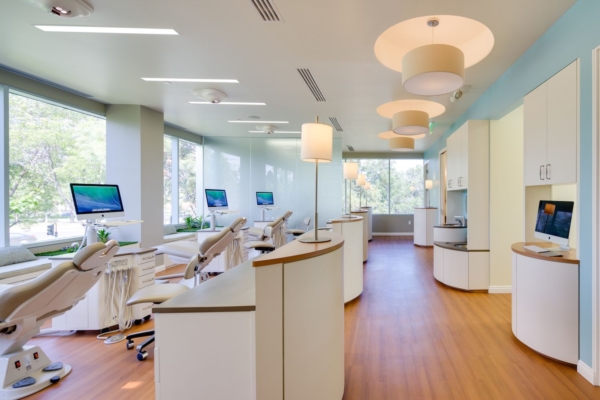
Natural light is another important consideration for medical offices. Natural light can help to create a more welcoming and relaxing environment. If possible, medical offices should be designed to maximize natural light. This can be done by using large windows and skylights.
Benefits of Natural Light
Natural light has several benefits, including:
- Creating a sense of calm and comfort
- Increasing productivity and performance
- Reducing stress and anxiety
How to Use Natural Light in Medical Offices
To maximize natural light in a medical office, you can do the following:
- Use large windows and skylights.
- Arrange furniture so patients can enjoy the natural light.
- Use sheer or translucent curtains to prevent direct sunlight.
The Importance of Functionality
In addition to aesthetic appeal, it is also important to consider functionality when renovating a medical office. The existing space should be designed to be efficient and easy to navigate. This includes ensuring that there is enough space for patients to move around and that the furniture is comfortable and functional.
How to Improve the Functionality of a Medical Office
To improve the functionality of a medical office, you can do the following:
- Provide enough space for patients and staff to move around.
- Use functional and comfortable furniture.
- Install clear signage to help patients navigate the space.
The cost of renovations
The cost of renovating a medical office can vary depending on the size and scope of the project. However, it is important to budget for the project before it begins. Medical office owners should get quotes from multiple contractors to get the best possible price.
Conclusion
Renovation of medical offices and clinics can be a great way to improve the overall look and feel of the space, as well as to update the facilities to meet the latest standards. By following a systematic approach and choosing the right renovations, medical office owners can create a space that is both functional and inviting.
Renovating a medical office can be a major undertaking, but it can be well worth the investment. By following the tips in this article, medical office owners can create a space that is both functional and inviting.
