

Parquet and Laminate
Parquet and Laminate Flooring and Their Installation in Buildings
Certainly, replacing interior floor coverings can have a significant impact on transforming and enhancing the beauty of a space. Additionally, these floor coverings should be well-coordinated with your interior decor. Parquet and laminate are among the most attractive materials used for flooring in buildings, and they have gained immense popularity due to their unique features and exceptional aesthetics. Furthermore, the attractiveness of these floor coverings is significantly enhanced when they are installed by skilled and experienced professionals. In the following sections, we will provide you with a comprehensive understanding of everything you need to know about parquet and laminate flooring, including their differences, types, features, and installation methods.
What is Parquet and Laminate?
To choose the best flooring for buildings between parquet and laminate, it’s better to first become fully familiar with the definition of each.
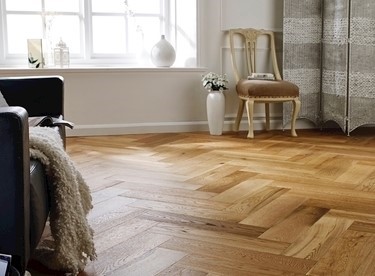
Parquet: This type of flooring is usually made from natural wood and is produced by converting tree wood into small pieces. These pieces are then divided into smaller dimensions and assembled. Since various types of parquet are made from natural wood, parquet is considered one of the more expensive flooring options on the market.
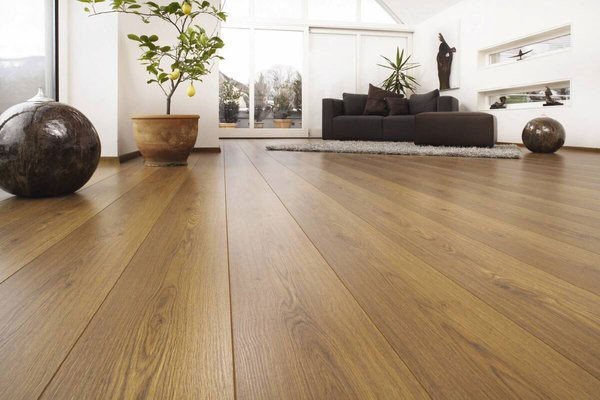
Laminate: Laminate flooring, on the other hand, is another type of flooring. It is often referred to as laminate parquet in the market. Unlike parquet, laminate is made from compressed layers of wood and has a completely natural wood pattern and color on its visible surface. Due to their attractive appearance and durability, laminate floorings are more popular today, and they are often more affordable compared to parquet.
Features of Parquet and Laminate:
If you plan to use parquet and laminate floorings in your building’s design, it’s important to understand the key features of each type.
Parquet:
- Very high durability.
- Relatively high cost.
- Low resistance to moisture and water.
- Provides a warm feel and a connection to nature.
- Moderate resistance to sharp object impacts.
- Susceptible to fire if exposed to flammable materials.
- Easy to clean with a damp cloth or mop.
- Commonly available in matte or glossy finishes.
- Popular choice for printing organization logos or corporate colors on the surface.
Laminate:
- Can be installed on various existing flooring types such as ceramic, mosaic, or stone.
- Does not damage the underlying flooring or the building structure.
- Comparatively affordable installation costs compared to wood parquet.
- No need for various adhesives for installation.
- Moderate resistance to sharp object impacts.
- Relatively good resistance to moisture and water.
- Acts as sound and heat insulation.
- Resistant to cold and heat.
- Helps reduce energy consumption.
- Easy to replace and repair.
- May develop scratches over time.
- Environmentally friendly.
- Available in various patterns and colors.
- Attractive and visually appealing due to matte or glossy options.
- Color change is possible if liquid stains or lack of cleaning are present immediately after a spill.
Types of Parquet and Laminate:
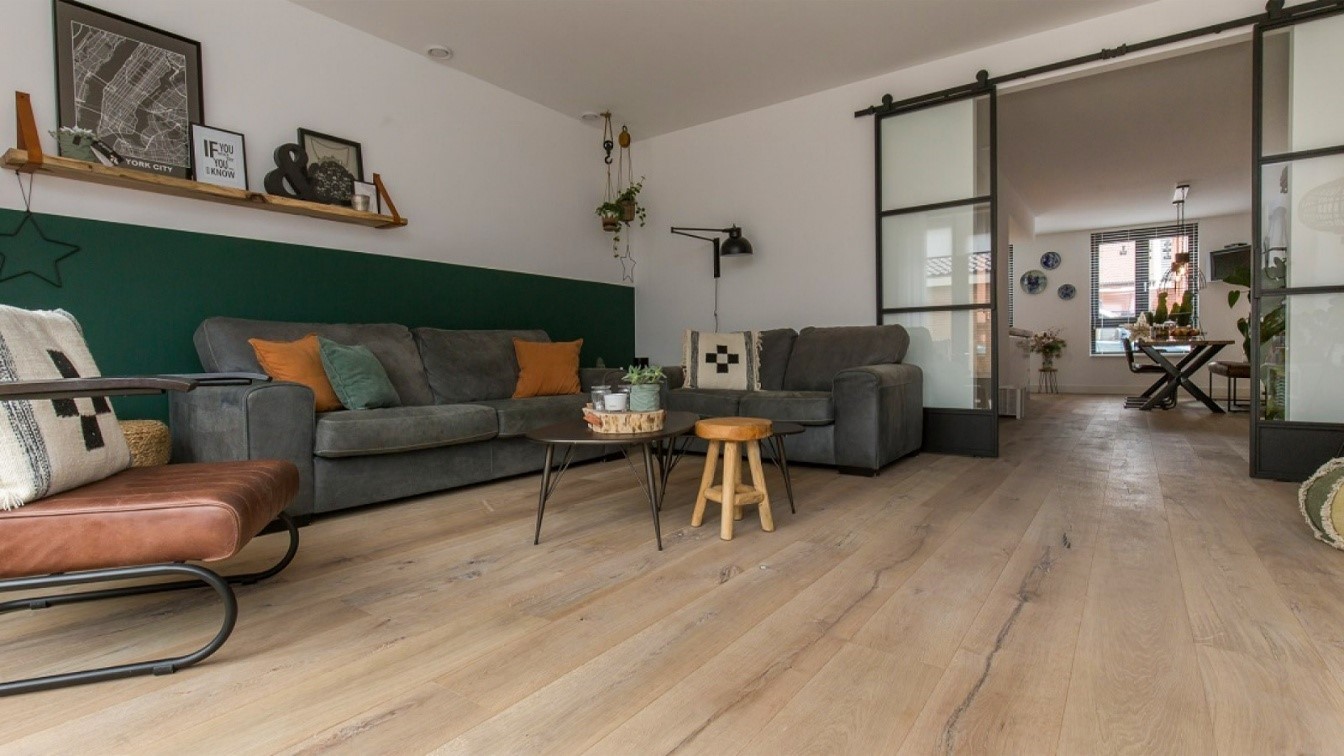
As mentioned, parquet floors are made from various types of wood, which are the primary factor differentiating them. Here are some types of parquet:
- Oak Parquet: One of the most commonly used parquet types, known for its good resistance to scratches and indentations. However, it may have natural marks on the surface.
- Walnut Parquet: These parquet floors have a light color and are not very popular due to their susceptibility to wear and tear.
- Maple Parquet: Maple parquet is a good choice for its durability and resistance to wear and tear. It features a light and natural color.
- Bamboo Parquet: Bamboo parquet is known for its exceptional durability and a modern appearance. However, it can be sensitive to changing environmental conditions.
- Pine Parquet: Pine parquet floors have a soft, breakable texture and are less durable than others. They are mainly favored for their wide range of color options.
Laminate floors are divided into various types based on their material and AC (Abrasion Class) ratings. The AC rating indicates the suitability of the laminate for different areas. Here are some common AC ratings:
- AC1 Laminate: Suitable for residential spaces and light use areas like bedrooms.
- AC2 Laminate: Ideal for residential spaces with moderate traffic, such as living rooms and dining areas.
- AC3 Laminate: Suitable for commercial spaces with high foot traffic, including hotel rooms and offices.
- AC4 Laminate: Designed for commercial spaces with heavy foot traffic like cafes, hotels, and restaurants.
- AC5 Laminate: Suited for areas with extremely heavy foot traffic, such as government buildings and busy commercial locations.
Differences Between Parquet and Laminate
If you are planning to buy wooden floor coverings such as laminate and parquet but are unsure which one is more suitable, it’s a good idea to first understand the differences between these two types of floorings. Then, you can make your purchase based on the specific features you are looking for. Some of the most important differences between laminate and parquet include:
-
Installation Method:
- Parquet: Parquet is usually installed using adhesives, which requires specialized installation skills and can be messy if not done correctly.
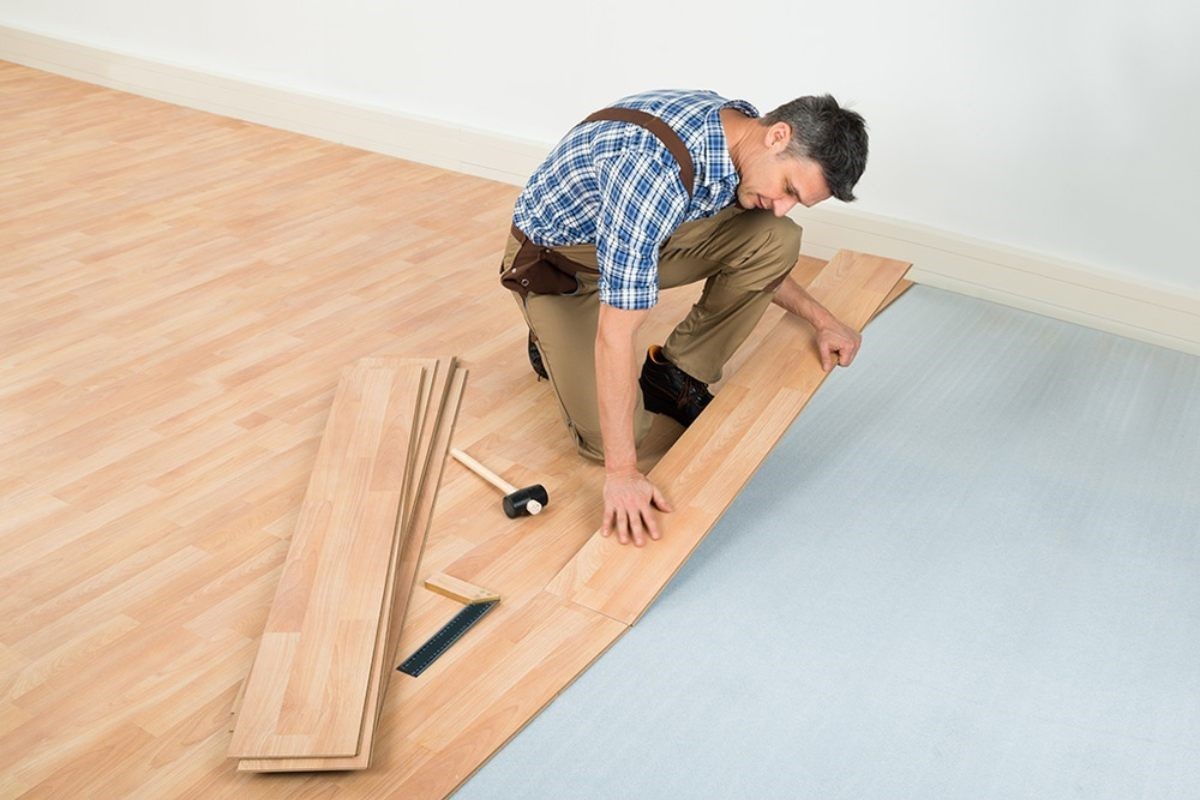
- Laminate: Laminate flooring has its own locking system, allowing for easy and clean installation without the need for adhesives.
-
Durability:
- Parquet: Parquet floors are known for their durability and can last anywhere from 10 to 40 years when properly maintained. They are less likely to show wear and tear over time.
- Laminate: Laminate floors typically have a shorter lifespan, lasting around 10 years. They may show signs of wear sooner than parquet.
-
Moisture and Water Resistance:
- Parquet: Since parquet is made of natural wood, it can react to moisture and water by warping or swelling. It is not recommended for use in high-moisture areas like kitchens.
- Laminate: Laminate flooring offers better resistance to moisture, making it a suitable choice for environments with higher humidity levels.
-
Resistance to Sharp Objects:
- Parquet: Parquet floors can be more susceptible to damage from sharp objects, which may scratch or dent the surface, affecting their appearance.
- Laminate: Laminate floors, due to their multi-layered construction, are generally more resistant to damage from sharp objects.
-
Price:
- Parquet: Parquet flooring is usually more expensive than laminate because it is made from natural wood.
- Laminate: Laminate flooring is a more cost-effective option compared to parquet.
Installation Considerations:
When installing parquet or laminate flooring in a building, there are several important considerations to keep in mind to ensure the quality and longevity of the floor:
- Ensure the surface where you plan to install the flooring is clean and free from dust and debris.
- Parquet and laminate can be installed over existing surfaces such as tile, mosaic, or concrete. However, if another flooring material was previously installed, it should be completely removed before installing the new flooring.
- Verify that the floor surface is dry, as excessive moisture (above 12% relative humidity) can affect the adhesion of parquet.
- For parquet, allow the flooring to acclimate to the room’s temperature and humidity conditions for at least 48 hours before installation.
- Ensure that the subfloor is level and free from any protrusions or indentations. Subfloor preparation may be necessary.
- Verify the quality of the flooring materials before installation.


Leave A Comment