

Introduction to Soundproof Walls and Their Types
What Is a Soundproof Wall?
A soundproof wall is a modern innovation aimed at preventing the negative effects of noise pollution in residential, villa, commercial, office, and other types of buildings. It has gained significant attention in recent times as it contributes to increasing peace and the value of a structure. It’s interesting to note that installing soundproofing in interior walls of buildings not only enhances tranquility but also improves insulation against temperature changes.
Do You Know What Soundproofing Is?
As you may know, the increase in population and the trend toward living in major cities have led to the proliferation of apartments and shared walls, resulting in the transmission of noise. This can cause discomfort and annoyance to neighbors who share common walls. Therefore, the use of soundproof walls has become widely adopted.
Soundproofing is a special covering for walls, ceilings, and other surfaces that aims to prevent sound transmission and reduce noise pollution in various environments, including residential, villa, commercial, and office buildings.
These soundproof coverings, which are designed to absorb and prevent sound transmission, are called soundproofing materials. It’s worth mentioning that various types of soundproofing materials, being environmentally friendly, have become one of the most popular modern technologies and contribute to providing a peaceful environment. These products have become highly popular in today’s world.

Types of Soundproof Walls
It’s essential to know that choosing the most suitable type of soundproof wall plays a significant role in reducing noise pollution in an environment. Thus, understanding the different types of soundproof walls is crucial. If you intend to use soundproof walls in your home or workplace, read on. We’ll assist you in making the right and informed choice!
Common Wall Soundproofing
Common wall soundproofing is primarily used to prevent the transmission of TV noise, conversations, telephone calls, and more to neighboring buildings. It is suitable for residential complexes, commercial buildings, and office spaces. If you want to prevent your noise from disturbing your neighbors, common wall soundproofing is the best choice.
Studio Acoustic Panels
If you’re looking to create a serene artistic space free from disruptive noises, acoustic panels are the ideal solution. These soundproof walls, which prevent sound transmission and reflection in the space, come in three different types and are highly practical.
In-Cavity Soundproofing
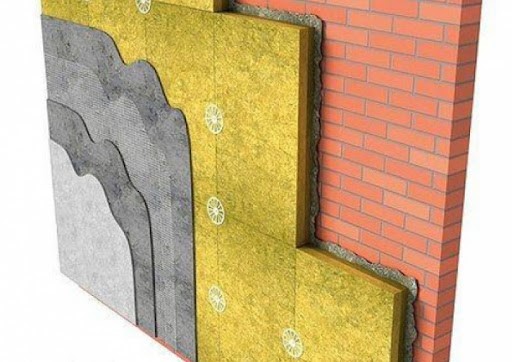
One of the most widely used types of soundproofing materials, soundproofing in-cavity is known for its practicality. It’s usually installed during the construction phase of a building between various parts, including walls. By creating soundproof walls, it effectively prevents sound transmission. Notably, materials like mineral wool and foam, which are used during construction and finishing stages of a building, are considered popular choices for in-cavity soundproofing.
Polyurethane Spray Foam Soundproofing Polyurethane
spray foam soundproofing prevents sound transmission by creating chemical reactions with the compressed materials in the spray. It is mainly used in the gaps created between walls and ceilings or floors. It’s worth mentioning that this type of soundproofing is highly eco-friendly.
Resilient Channel Soundproofing
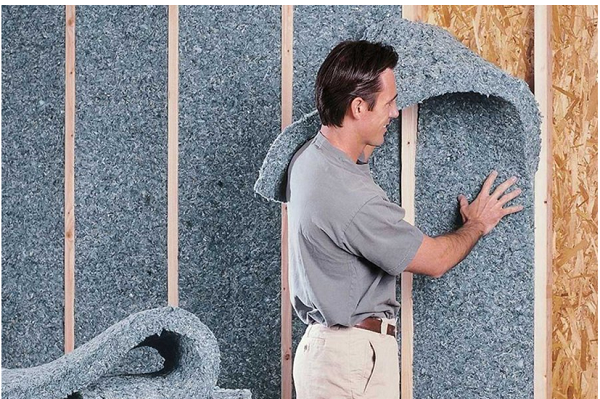
Resilient channel soundproofing is a composite form of soundproofing made from recycled materials, and it is eco-friendly. This product, available in roll form in the market, can be tailored to fit various sizes and consumer needs.
Other Soundproofinga Materials Besides the mentioned soundproofing types, various other soundproofing materials like fiberglass, egg crate foam, flat acoustic foam, and corrugated foam are used in constructing soundproof walls. Homeowners, villa owners, businesses, and others can select the most suitable type of soundproof wall based on their requirements and budgets. It’s important to note that installing soundproofing in walls requires specific skills, and neglecting them could result in issues. Therefore, it’s advisable to entrust the installation of soundproof walls to professionals who specialize in this field to ensure optimal results.


Leave A Comment