
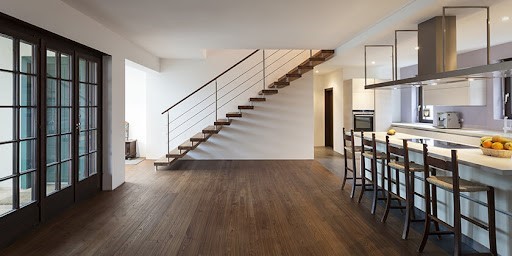
PVC Flooring
PVC Flooring and its Installation in Buildings
Today, there is a wide variety of flooring options available for both indoor and outdoor spaces in buildings, making it a bit challenging to choose the most suitable one. The best solution for choosing the most suitable flooring is to be familiar with the types. One of the floorings that are widely used in indoor spaces today is PVC flooring, which, due to its high flexibility, can be used in many spaces. Therefore, in the following, we intend to acquaint you with everything you need to know about PVC flooring.
What is PVC Flooring?
As mentioned, PVC flooring has very high flexibility and can be easily used in various spaces. These floorings are made from polymer materials, which is why their structure is similar to plastic. Nevertheless, they maintain their resistance and beauty. Since these floorings are highly resistant to water and moisture, they are a very suitable choice for spaces like kitchens.
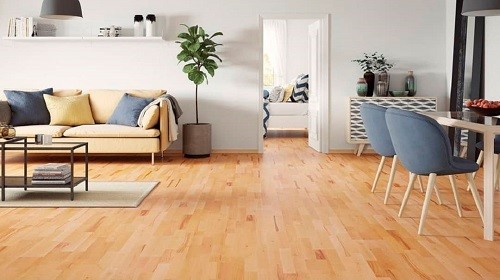
Types of PVC Flooring
PVC flooring comes in various types, and it’s essential to familiarize yourself with them before making a purchase for different spaces. In general, PVC flooring can be categorized into different types based on their material and thickness:
-
Types of PVC Flooring Based on Material:
- Tile PVC Flooring: Tile PVC floorings are thicker compared to roll PVC floorings and are usually installed piece by piece. This means that in case of damage to a section, it can be easily replaced. Roll PVC floorings, on the other hand, are a single sheet, and after installation, the excess is trimmed. They have no seams, making them easy to clean. Roll PVC floorings are often used in sanitary areas. When buying tile PVC floorings, it’s advisable to purchase some extra pieces so that you can replace damaged sections easily.
-
Types of PVC Flooring Based on Thickness:
- PVC floorings are available in 2mm and 3mm thickness in the market. Thicker PVC floorings are recommended for high-traffic areas where more durability is needed.
 Advantages of PVC Flooring
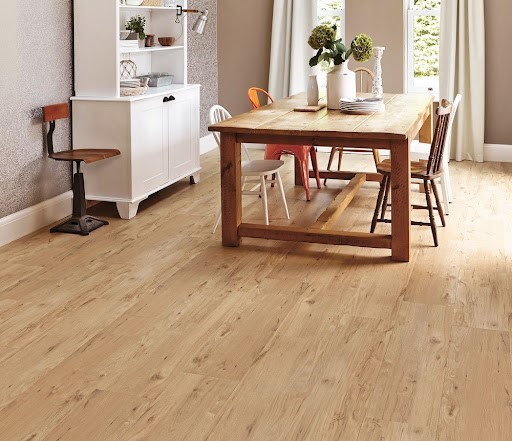 Advantages of PVC Flooring
PVC floorings can be used in residential, commercial, and office spaces. Their wide variety of designs and colors has contributed to their popularity. Some of the notable advantages of PVC floorings include:
- High Flexibility: One of the most significant advantages of these floorings is their ability to be installed and used in various spaces. Their flexibility makes them highly resistant to impact and pressure.
- Anti-Static: PVC floorings have an anti-static property, which means they do not generate static electricity. This makes them an excellent choice for control rooms and computer areas.
- Easy to Clean: PVC floorings can be easily cleaned with regular cleaning agents since they are highly resistant to water and cleaning materials. Roll PVC floorings, with no seams, are particularly easy to clean.
- Long Lifespan: The primary material used in PVC floorings is vinyl (a type of compact plastic), and they do not contain any natural fibers. This contributes to their wood-like appearance and increased longevity.
- Thermal and Acoustic Insulation: PVC floorings are highly resistant to heat and cold and offer sound insulation. This means they help save energy, maintain room temperature, and do not cause disturbances to neighbors.
Disadvantages of PVC Flooring
While PVC floorings offer many advantages, they also come with some disadvantages:
- Emission of Harmful Gases: PVC floorings may emit harmful gases.
- Environmental Impact: The raw materials used in PVC floorings are not environmentally friendly and can cause environmental issues.
- Difficulty in Repair: Because PVC floorings adhere completely to the floor, repairing and replacing damaged sections can be somewhat challenging.
- Stains from Plastic Equipment: PVC floorings may stain from plastic items like rubber mats, etc.
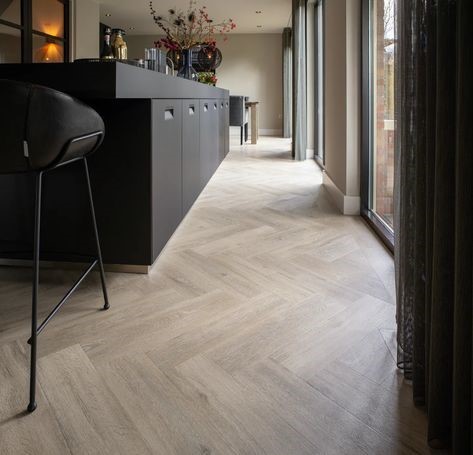
Installation of PVC Flooring
PVC flooring is relatively easy to install and is done in four stages:
- Subfloor Preparation: Begin by leveling the subfloor and removing any irregularities.
- Cleaning: Ensure the floor is completely clean and dry before installation.
- Installing PVC Flooring: The PVC flooring is glued to the surface using adhesive.
- Installing Baseboards: Finally, PVC baseboards are used along the walls for a finished look.
Note: Skilled installation significantly impacts the durability and visual appeal of PVC floorings, so it’s advisable to seek help from experienced professionals.


Leave A Comment