
Review and Analysis of Ceiling Plastering
What Is Ceiling Plastering?
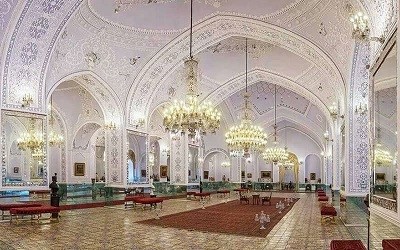
To discuss ceiling plastering, we first need to understand what plastering is. Plastering is the art of carving and sculpting on gypsum surfaces using specialized plastering tools. This decorative art is used for both exterior and interior building surfaces and has a long history dating back many years. Gypsum plastering is commonly used for decorative elements such as embellishments around fireplaces, ceiling plastering, Romanesque-style plasterwork, column ornamentation, chandeliers, and arches.
Gypsum is widely used in traditional and even modern architecture due to its unique properties. Gypsum has excellent adhesion and quick drying characteristics, is fire-resistant, and is relatively inexpensive compared to other building materials. As a result, gypsum has a wide range of applications in the construction industry.
Ceiling plastering is one of the most common uses of gypsum and comes in various types, accommodating different tastes and cultural preferences.
Types of Ceiling Plastering Based on Style
Ceiling plastering can be categorized into two main styles: traditional and modern.
Traditional Ceiling Plastering
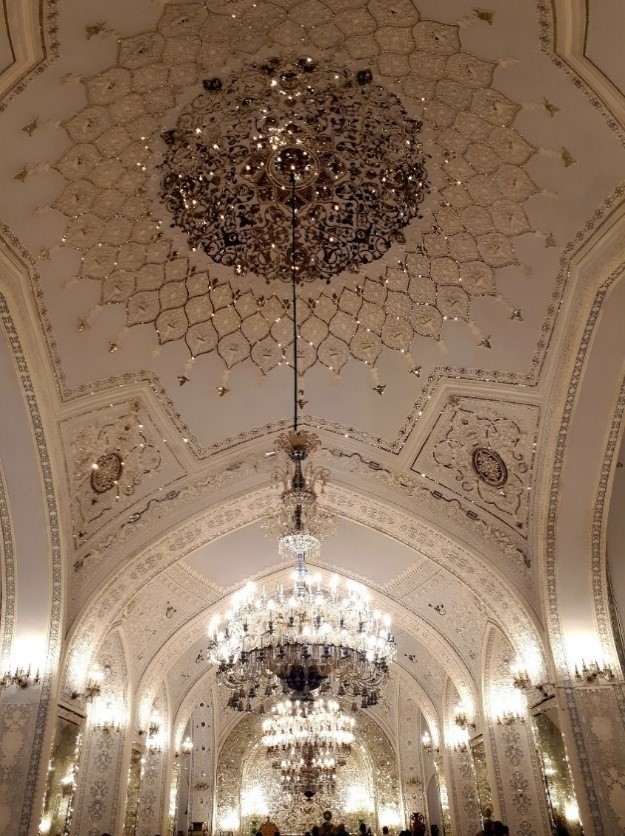
Traditional ceiling plastering is often seen in old houses or museum palaces. Traditional ceiling plasterings are elaborate, colorful, and filled with intricate details. In the design of traditional Iranian ceiling plastering, elements such as flowers and birds are commonly used. This is because these two elements symbolize gardens and paradise and evoke positive feelings in the viewer.
Color plays a significant role in traditional ceiling plastering, with colors like red, gold, and green being prevalent.
In the past, traditional ceiling plastering was reserved for the homes of nobility and the wealthy because it was considered an aristocratic art. Extraordinary examples of traditional plasterwork are also found in mosques and religious places, as a mark of respect and devotion.
The material used in traditional plastering is, as the name suggests, semi-wet gypsum, which is created by combining gypsum and water. Only a skilled plasterer can execute traditional ceiling plastering effectively, as the work must be completed before the gypsum dries.
Styles of Traditional Ceiling Plastering
Traditional ceiling plastering can be found in four distinct styles:
- Marquetry Plastering: This type of plastering resembles marquetry in woodwork. Colored gypsum mortar is used to create the desired design, and then cut pieces are arranged together like a puzzle. To ensure uniformity in the background, white gypsum mortar is used.
- Layered Plastering: As the name suggests, this plastering style is built up in layers. Various layers of gypsum with different colors are used, and after applying the layers, the desired patterns are created using plastering tools. This method is more advanced than marquetry plastering.
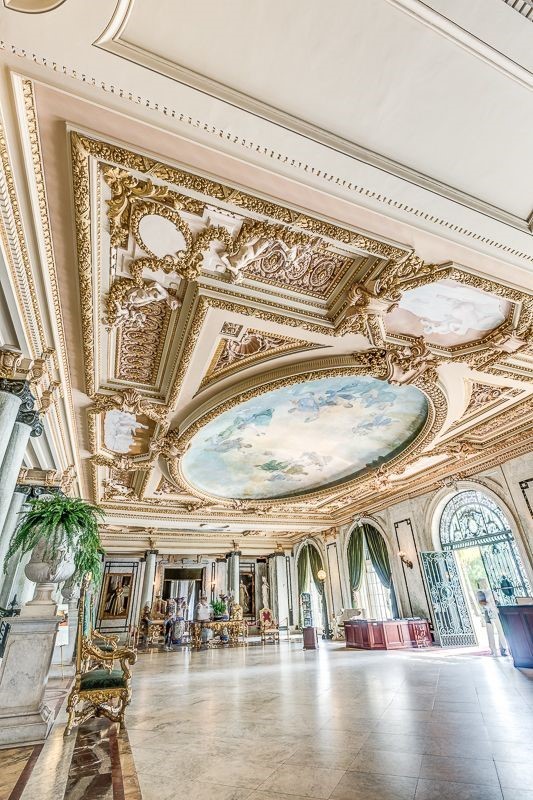
- Cloudburst Plastering: With the influence of Western culture during the reign of Naser al-Din Shah in Iran, this style of plastering emerged. Examples of this style can be seen in buildings and palaces of that era.
- Haft Rangi (Multicolored) Plastering: The term “haft rangi” means multicolored and refers to a style of plastering where the designs are raised more prominently than the walls they adorn. Most people are familiar with this style of plastering, as it is similar to what is commonly known as “royal” plasterwork today.
Modern Ceiling Plastering
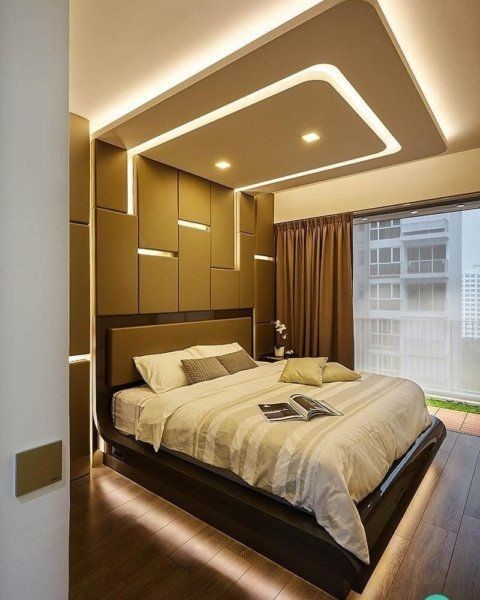
In modern ceiling plastering, elements such as flowers, birds, and paradise gardens have been replaced with simpler designs and straight lines or smooth, curved lines are used. Modern plastering often focuses on more minimalistic and clean-cut designs. Typically, it does not incorporate the intricate and colorful elements seen in traditional plasterwork.
Unlike in the past when ceiling plastering was primarily used in reception rooms, modern plasterwork can be applied in all residential spaces. The reason for this advancement is the elimination of colorful and ornate elements, which may not be suitable for spaces like bedrooms.
Modern ceiling plastering also allows for creative lighting arrangements, creating a spectacular ambiance in both residential and office spaces.
Types of Ceiling Plastering Based on Application
Ceiling plastering is executed using two methods:
- Hand-Plastered Ceiling:
This is the traditional method that has been used in plastering for centuries. In this method, a skilled plasterer mixes gypsum with water in precise proportions to create a paste. The plasterer then shapes the paste by hand, using specialized plastering tools to create the final pattern.
As mentioned earlier, hand-plastering gypsum is a delicate process, as the design must be completed before the gypsum sets.
- Pre-Cast Ceiling Plastering:
Today, pre-cast ceiling plastering is increasingly popular due to its ease of application and time-saving benefits. Pre-cast gypsum material consists of gypsum combined with polyurethane and compressed foam polystyrene, which is molded using specialized forms.
In this method, pre-made plastering pieces are adhered to the desired surfaces using specially formulated adhesives. The adhesives used in this process have excellent strength and adhesion properties.
Advantages of Using Pre-Cast Ceiling Plastering:
- Strength: Pre-cast ceiling plastering is suitable for plasterwork around chandeliers and other heavy fixtures.
- Ease of Application: It is easier to apply compared to traditional hand-plastering, and the process is faster.
- Affordability: Pre-cast ceiling plastering is more cost-effective than hand-plastering.
- Longevity: It offers long-lasting performance.
- Versatility: It can be installed on various surfaces, including concrete, tiles, wood, metal, and gypsum.
- Lightweight: It is lightweight and easy to transport.
- Creative Design: Pre-cast plastering allows for more creative designs and a wider variety of lighting options.
- Color Compatibility: It is paintable, and the color is long-lasting.
Disadvantages of Pre-Cast Ceiling Plastering:
Despite its many advantages, pre-cast ceiling plastering has some limitations. It has relatively low resistance to water and moisture, and its appearance may change over time in humid environments.


Leave A Comment