
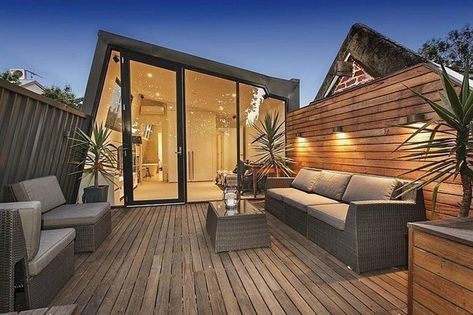
wood and thermowood
Installation of wooden and thermowood walls
Implementation of Walls with Wood and Thermowood:
Important Tips for Implementing Wood and Thermowood Walls: Wood and Thermowood are exceptionally beautiful materials and are ideal for constructing walls. These materials have high durability and strength against various factors, including pests, fungi, mold, and moisture, due to advanced heat treatment processes in the factory.
Thermowood is a type of natural wood that undergoes an advanced heat treatment process, altering its cellular structure and providing greater strength and durability compared to other woods.
The Thermowood production process involves three stages: drying, heat treatment, and cooling.
In the heat treatment process of Thermowood, oxygen is removed from the environment using special pumps, preventing the wood from catching fire. The wood is heated to temperatures ranging from 185 to 250 degrees Celsius. This heating process causes a change in the wood’s chemical structure, resulting in advantages such as increased resistance to decay, fungi, enhanced wood strength, reduced cracking, and sound insulation. The color of the wood also changes, typically turning into a shade of brown.
Thermowood is considered a modern material that closely resembles wood in appearance but offers greater resistance to pressure, moisture, heat, and impact. It is commonly used for both indoor and outdoor applications.
Where Can Wood and Thermowood Be Used?
Wood alone is vulnerable to environmental damage, and it cannot be used in outdoor environments. However, Thermowood, due to its special properties, serves as an excellent alternative to wood. You can use wood and Thermowood for:
- Interior building facades (interior decoration)
- Exterior building facades, terraces, and balconies
- Gazebos
- Staircases
- Outdoor villa spaces and parks
- Poolside or entrance area flooring
- Surrounding door and window facades
- Rooftop gardens
- And more
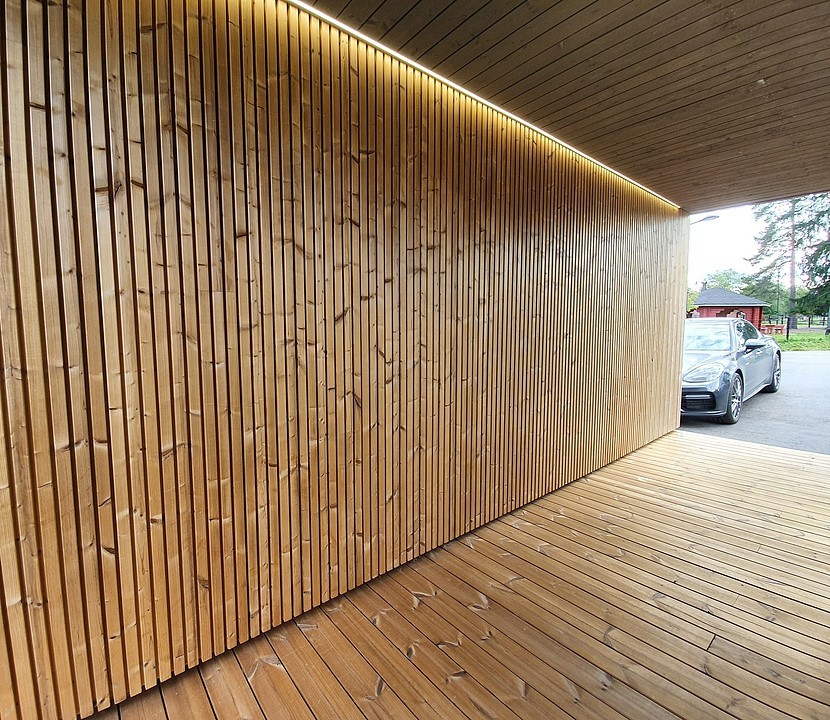
Thermowood is usually produced from Ash and Pine wood species. While it originates from Finland, it is also extensively produced in countries like Canada and Germany. The trees used for Thermowood production vary, but some common species include Radiata Pine, Alder, Larch, Beech, Spruce, Pine, Poplar, Birch, and Ash.
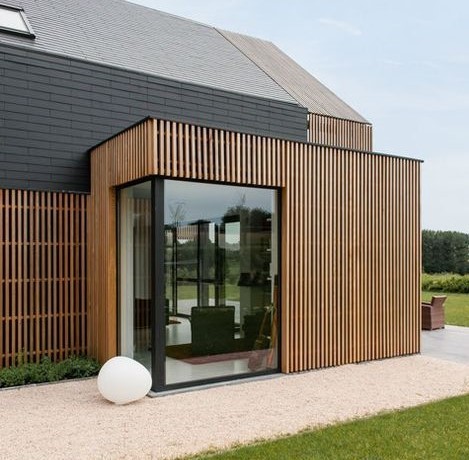
Types of Thermowood Based on Wood Species:
- Softwood Thermowood: Softwood comes from needle-leafed trees like Pine, Spruce, Cedar, and Redwood. Softwood is less dense and weaker compared to hardwood, making it more suitable for indoor environments.
- Hardwood Thermowood: Hardwood comes from broad-leafed trees and is denser and stronger than softwood. It includes popular options like Oak, Maple, Cherry, Walnut, and Ash. Hardwood Thermowood is excellent for outdoor applications and building facades.
- Industrial Woods: Industrial woods are diverse and manufactured from various materials. They typically offer greater resistance compared to both softwood and hardwood. Thermowood is one of the best examples of industrial wood, known for its versatility and wide range of dimensions.
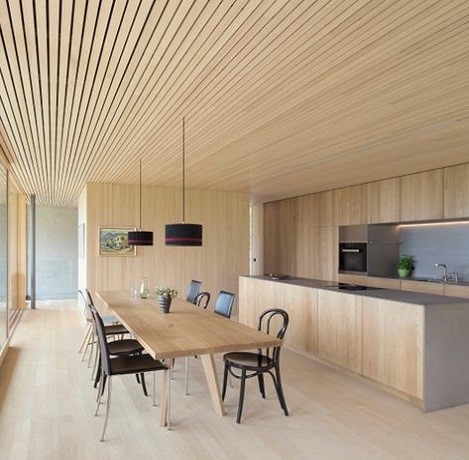
Thermowood is further categorized into two main types:
- Thermo-S: Thermowood S stands for stability and resistance. It has a dimensional change of 6-8% in response to environmental moisture changes. Thermowood S falls into durability class 3.
- Thermo-D: Thermowood D stands for durability and longevity. It has a dimensional change of 5-6% in response to environmental moisture changes. Thermowood D falls into durability class 2.
In summary, Thermowood is an excellent choice for both interior and exterior applications due to its natural appearance, durability, and resistance to various environmental factors. The specific type of Thermowood to use depends on the intended application and environmental conditions.
Types of Thermowood in Terms of Dimensions and Profiles:
Thermowood profiles come in various lengths, typically 3 or 6 meters, and are available in a variety of cross-sections and dimensions with different patterns. Additionally, these profiles can be divided into two categories: grooved and non-grooved, each serving different purposes.
When it comes to working with Thermowood and wood, it’s essential to possess the necessary skills and expertise. Installing them is not a straightforward task, and it’s advisable to receive training in this field or seek assistance from a professional team to ensure the proper execution of Thermowood and wood projects.
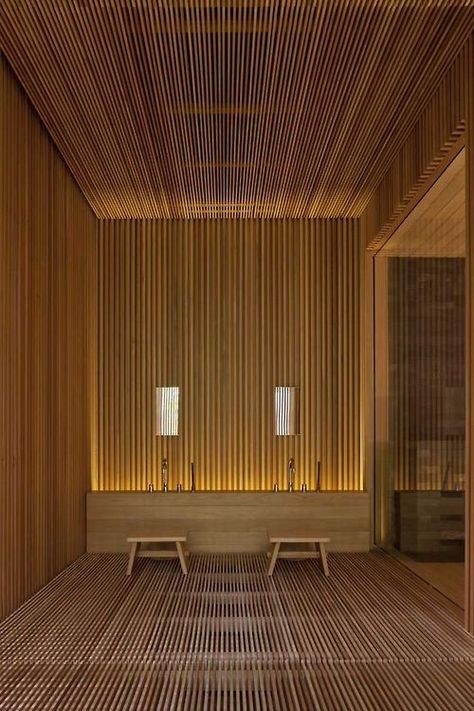
Implementation Tips for Wood and Thermowood:
Differentiating Between Interior and Exterior Projects:
The execution of Thermowood can vary between interior and exterior surfaces. If you plan to use Thermowood, start by identifying the area and ensuring the wall is free from any contamination. Subsequently, you’ll need to create a suitable framework or substructure for installation.
Importance of a Level Surface:
Achieving a smooth and level surface is crucial for Thermowood installation. If the selected surface is not level, over time, it can cause waves or deformations on the Thermowood, affecting the overall appearance. Ensure that the underlying wall surface is robust, and if needed, apply approximately 4 centimeters of plaster to create a stable base.
Installation on a Suitable Substructure:
You cannot directly attach wood or Thermowood to the wall. It’s imperative to install Thermowood and wood on a suitable substructure, such as steel battens.
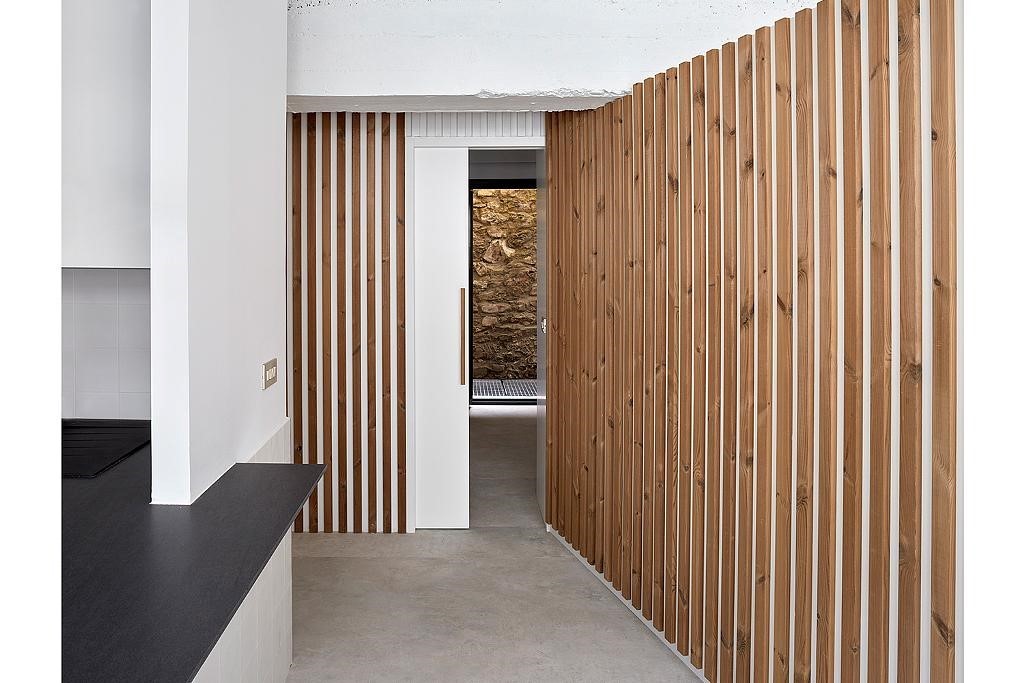
Consider Wood Expansion and Contraction:
Due to changes in weather and humidity, the length and width of Thermowood may expand and contract. To prevent issues, leave approximately 1 centimeter of space on each side for length and around 3 millimeters on each side for width when installing Thermowood.
Spacing for Substructure and Fasteners:
The most common spacing for framing or substructure is between 40 to 60 centimeters. After creating the substructure, proceed with installing the pre-treated wood on the battens.
Fastener Placement:
Determine the spacing for fastening screws on the substructure. The typical spacing for screwing Thermowood is 50 centimeters. However, this may vary depending on your substructure and design. Additionally, the distance of the screws from the top should be between 2 to 6 centimeters.
No Need for Painting Treated Wood:
Treated wood does not require painting, but if you’re using a steel substructure, make sure to use anti-corrosion coatings to prevent rust.
Consider Double Anchoring for Storm-Prone Areas:
In regions prone to severe storms, it’s advisable to use double anchoring to ensure the durability and safety of the installation.
Aesthetics and Environment:
Thermowood and wood should harmonize with the surrounding environment. Installing such materials in highly humid areas can lead to warping or cracking. Thermowood is resistant to moisture and can tolerate higher humidity levels.
Choosing the Right Contractor:
The best contractor for Thermowood and wood installation is someone with expertise and experience in the field. They should be able to complete the job with the highest quality, minimal cost, and within a reasonable timeframe.
Quality of the final result also depends on the materials you choose. Higher-quality Thermowood and wood will result in a more beautiful finish and longer lifespan. For example, it’s recommended to use aluminum or galvanized steel substructures along with oven-baked painted screws for a better finish.
If you need to purchase Thermowood and wood or require professional installation, you can contact our experts. We can assist you in all stages of the project.


Leave A Comment