
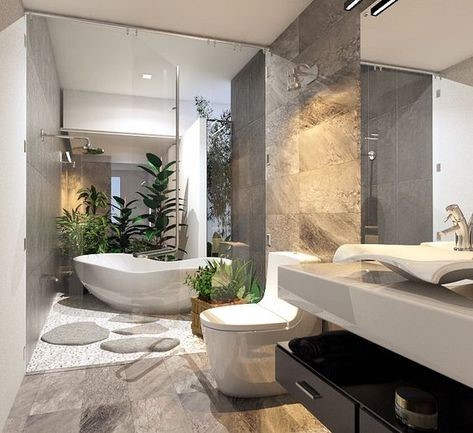
Tile, Ceramic, and Stone
Implementation of Walls with Stone, Ceramic, and Tile
The use of stone, ceramic, and tile in construction has a rich history dating back hundreds, if not thousands, of years. These materials are highly versatile, valuable, useful, and durable when it comes to constructing walls. Their mechanical properties and excellent resistance have made them a choice for investors, builders, contractors, and engineers in designing and implementing walls. Specific laws and standards have been written and communicated worldwide for those involved in their implementation, which you should be familiar with.
Implementing walls with stone, ceramic, and tile is entirely consistent with sustainability principles, and all of these materials are considered efficient resources. They can always be used for renovation, operation, or reuse.
From an environmental perspective, experts in this field consider the ideal materials for implementing a wall to be cost-effective and low-maintenance, capable of withstanding various conditions, and capable of fully returning to the environment if discarded.
Stone and Its Most Important Feature
Stone is the most fundamental type of material used in construction. It has a wide range of applications and is typically used for external facades, interior facades, walls, floors, and more. One of the primary uses is in the external facade of buildings. The building facade represents the overall quality and style of the building. Stone is one of the most popular and best types of building facades globally. In recent years, the use of artificial materials has become common. Stone is a natural and artificial product with a wide range of designs and colors. It has been able to become one of the most popular and best-selling facades in all construction projects.
The advantage of using stone in building facades:
- Increases the lifespan of the building
- Decorates and beautifies the exterior facade of the building
- Prevents potential damages such as collapsing, abrasion, and moisture of the structure
- Prevents heat energy loss inside the building
- Creates suitable sound insulation
- Facilitates cleaning and maintenance due to environmental pollution
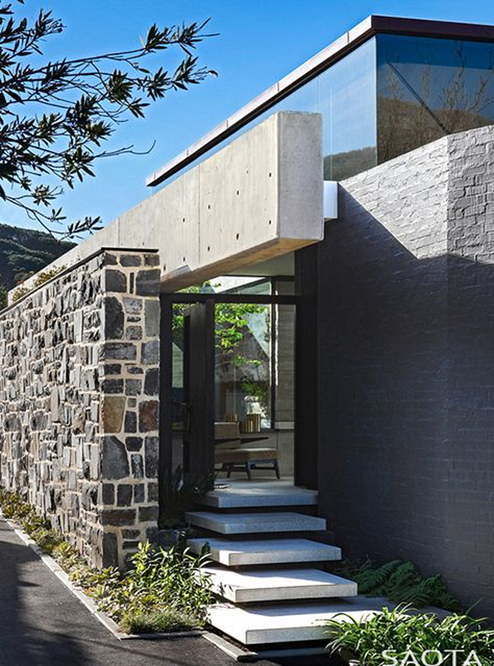
Types of stones used in construction are categorized into three groups:
- Sedimentary Stones
- Metamorphic
- Igneous
Types of building facade stones include:
- Granite
- Travertine
- Marble
- And more
These materials offer a wide range of design possibilities and color options, making them highly versatile for architectural purposes.

Ceramic and Its Most Important Feature
Ceramic can confidently be considered one of the most important and fundamental materials used for wall covering. Its price, durability, and lifespan have led investors and employers to invest in it. The durability of ceramics ensures its resistance to potential damages and weather conditions. Laboratory analyses have shown that the ceramic’s structure significantly affects its strength and has a considerable impact on its wear resistance.
Ceramics come in various types and are classified into several categories, with the most important ones being:
- By Application for Wall Ceramics:
- Ceramic Granite
- Porcelain
- Monoporosa
- By Application for Floor Ceramics:
- Low Water Absorption Ceramics
- Granite
- Porcelain
- By Surface Coating for Ceramics:
- Glazed
- Unglazed
- By Classification for Ceramics:
- Grade 1
- Grade 2
- Grade 3
Tile and Its Most Important Feature
Tile is another commonly used material for wall covering, offering numerous advantages. It shares many similarities with ceramics and is sometimes mistaken for them. Typically, the exterior surface of tiles is coated with glaze, which enhances their durability and aesthetics, making them easy to clean. Tiles and ceramics are mostly used in bathrooms and kitchens.
Selecting the right stone, ceramic, or tile is crucial as it prevents damage, extra costs, and the need for wall or sanitary services repairs. Different types of building stones, especially natural stones, have unique properties and parameters, making them suitable for specific climatic conditions. Therefore, when choosing and purchasing building facade stones, consider factors such as:
- The climate in the area
- Humidity in the area
- Temperature fluctuations in the area
- Key features of the building facade stone
- The color of the stone facade
The color of the stone is one of the most important features to consider when choosing and buying stone, as it significantly impacts the final aesthetic of the building project. The choice of stone color is also influenced by the region’s climatic conditions.
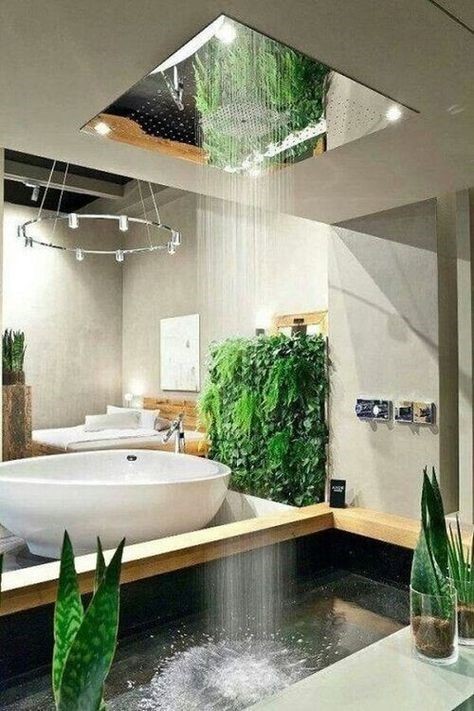
Purpose of Using Stone, Ceramic, and Tile in Construction
The primary purpose of implementing walls in construction is not only to protect buildings from damage but also to divide rooms or different spaces. There are various functional requirements for walls that must be considered when constructing them, including:
- Strength requirements
- Stability requirements for walls
- Weather and moisture resistance requirements
- Durability and aesthetics requirements for spaces
- Fire resistance requirements
- Thermal insulation requirements
- Sound resistance requirements
Stone, ceramic, tile are among the materials that can meet the functional and functional requirements of the building.
One of the most important requirements in this area is strength; In the construction of the walls, materials that can have a long life should be used, such as ceramics, stone, tiles, etc.
The strength of the material is determined by its compressive and tensile strength, which can be obtained through testing. Stone, ceramic, tile are examples of materials that can be used to build walls because they have good resistance and their lifespan is longer.
Rules related to the implementation of stone, ceramic, tile walls
It is definitely not possible to say that all three building elements i.e. stone, ceramic, and tile are suitable for building walls in different areas, because each of them has its own characteristics and we must have a complete knowledge of them and with the characteristics of each For example, stone has a high resistance to the external environment, and this type of material can be used for exterior wall construction.
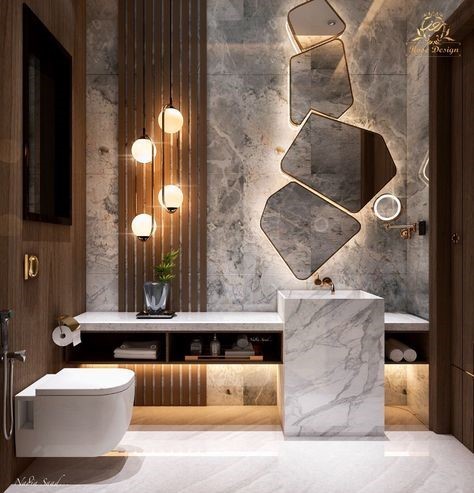
The stone is extremely resistant and has a good tolerance against cold and heat, so you can use this building element in the outdoor environment. Unlike ceramic tiles; They are more suitable for interior walls and you can use this building element to cover the walls of bathrooms, kitchens, toilets and other favorite areas.
Of course, before choosing the materials, you should know that the main task of the wall is to enclose or divide the space. Basically, the wall is an essential part of the building. Walls may be made of different materials such as stone, ceramic, tile, etc.


Leave A Comment