
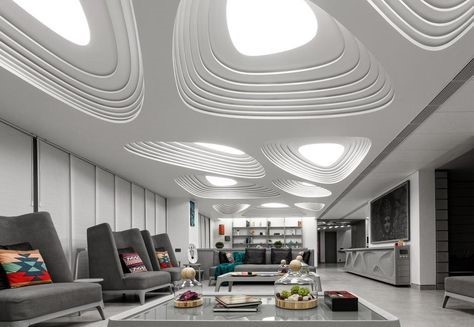
Review of stretch ceiling
What is a stretch ceiling? A stretch ceiling is one of the most modern and attractive types of false ceilings that has gained many followers in recent years. It is rarely used on its own and is usually combined with gypsum as the underlying structure or edge of this ceiling. Interestingly, stretch fabric can also be used as wall cladding and is not limited to ceilings.
Material of stretch ceiling: This type of ceiling is made of PVC fabric and, as its name suggests, it has the ability to be stretched. This stretch ability means that the fabric can be stretched to the desired size by heating it and then installed using holding clips on a supporting rail profile.
stretch ceiling Fabric: stretch ceiling fabric is composed of 90% PVC, 5% plasticizer, and 5% permissible additives. The thickness of stretch fabric ranges from 0.18 millimeters to 0.25 millimeters, weighing approximately half a kilogram per square meter, but it can withstand up to 200 kilograms of weight. Therefore, this material is considered one of the lightest construction materials available in the market.
The material of stretch ceiling fabric is antibacterial because it contains zinc oxide in its composition, which eliminates various bacteria and fungi. It is also non-flammable because chlorine is used in its formulation.
Stretch ceiling fabric is recyclable and can be relocated. The ability to relocate means that you can detach the fabric from the ceiling with the help of experts and move it to a new space without damaging or rendering it unusable.
Stretch ceiling fabrics come in various types such as matte, satin, lacquer (mirror-like), transparent, galaxy, brilliant, and clouds. Among these ceilings, the lacquer ceiling allows the most light to pass through. It also offers an incredible variety of colors, including more than 150 different shades. For this reason, this type of ceiling is widely used in spaces with poor natural lighting.
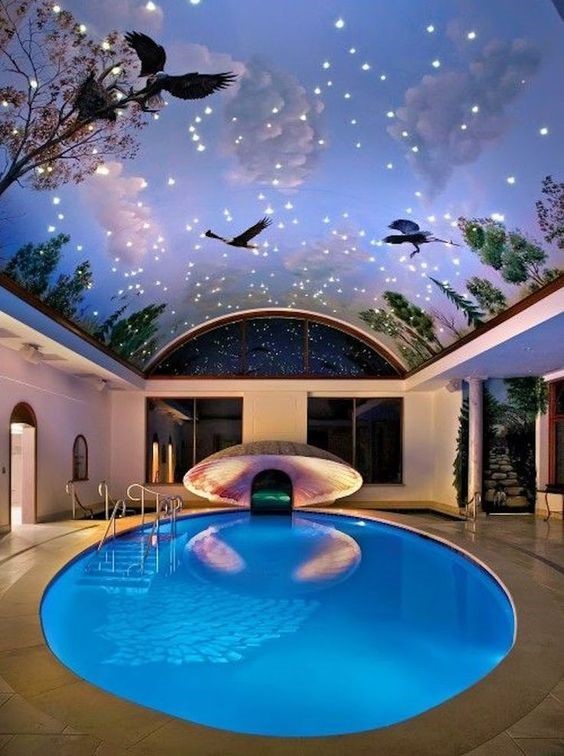
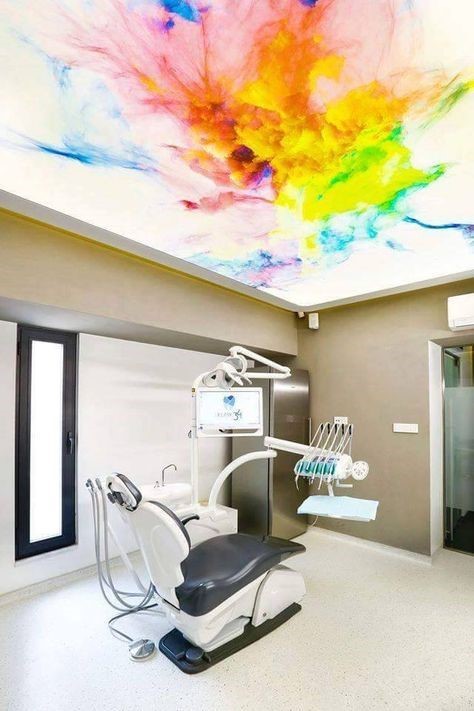
An important point about Stretch ceiling is that due to the type of fabric used, it is possible to print various designs for users.
Supporting Rails
Usually, semi-hidden rails are made of aluminum or PVC, which are suitable options for most interior designers and architects to create curves, dome-like shapes, or various geometric shapes.
Lighting The ability to use various lighting systems in Stretch ceiling is one of its prominent advantages. This ceiling can provide multiple types of lighting either alone or in combination.
The possibility of using popular equipment such as chandeliers, halogens, fiber optics, and Swarovski star-shaped crystals, SM LED moonlights, and RGB LED lamps has made Stretch ceiling one of the most widely used materials in the construction industry in recent years.
Installation of Stretch ceiling The straightforward installation of Stretch ceiling in custom designs and dimensions is one of its main advantages. Special installation tools are required for installing Stretch ceiling First, special holding profiles or rails are installed around the area where the Stretch ceiling is to be installed.
In the next step, special holding clips are placed on the installed rails, whose main function is to hold and stretch the fabric from the sides. In this step, heating is initiated using a specialized Stretch ceiling installation heater. The heater, by directing the right angle and projecting the right degree of air, can provide the required heat to the ceiling so that the heat generated does not cause the ceiling to burn. After heating, the installation expert starts tucking the edges of the Stretch ceiling into the profiles and secures it firmly using holding clips. Ultimately, a perfectly smooth and wrinkle-free ceiling should be achieved.
The edges of the Stretch ceiling and all joints between the ceiling and walls are sealed using joint tape to prevent dust and dirt from entering behind the ceiling.


Leave A Comment