
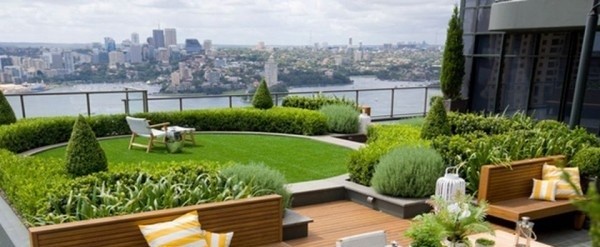
Introduction: Spending time in nature and being in green spaces has a significant impact on human well-being and mental tranquility. However, in today’s busy world, people living in large cities often have limited opportunities to connect with nature. Therefore, creating a sense of nature and greenery in small areas of homes and workplaces can help evoke the feeling of being in a natural environment. This is why the use of artificial grass in various parts of homes and commercial spaces has gained tremendous popularity.
What Is Artificial Grass?
Artificial grass is a decorative material made from synthetic plastic fibers. These fibers closely resemble natural grass and can be used in various settings, such as balconies, terraces, indoor spaces, sports fields, and more.
Applications of Artificial Grass: Artificial grass has a wide range of applications, including:
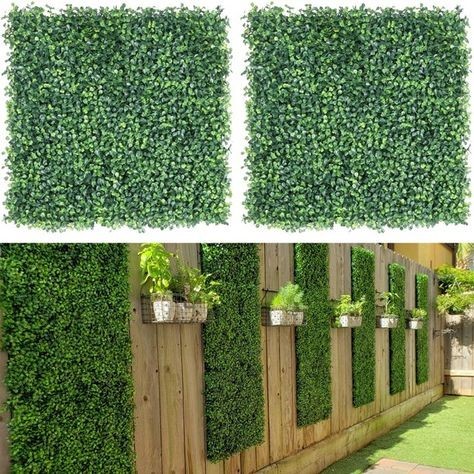
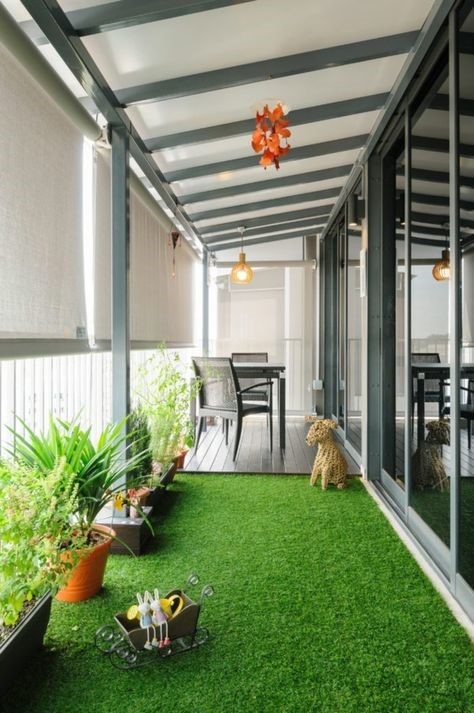
- Flooring and wall covering for balconies and terraces.
- Landscaping for commercial and office buildings.
- Rooftop gardens.
- Installation in sports facilities such as tennis courts, football fields, golf courses, hockey rinks, paintball arenas, and futsal courts.
- Landscaping for residential yards and housing complexes.
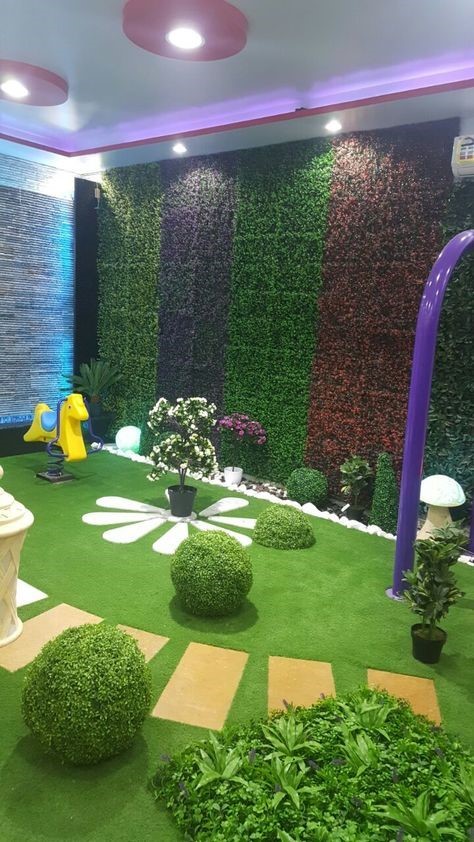
- Outdoor play areas and preschools.
- Integration in-between pavement and urban landscaping.
- Flooring for playgrounds and daycare centers.
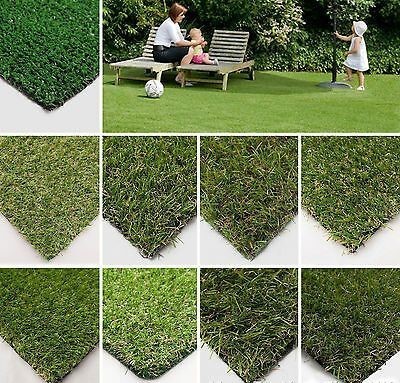
Advantages of Artificial Grass:
Artificial grass offers numerous benefits, including:
- Realistic appearance closely resembling natural grass.
- Various types available to mimic different natural grass species.
- High density and durability.
- Maintains a lush green appearance year-round.
- Suitable for both large spaces like sports fields and small areas like balconies.
- Lower maintenance costs compared to natural grass.
- Energy-efficient and reduces water consumption.
- Resistant to temperature fluctuations.
- Ideal for places where natural grass is impractical or costly.
- Minimal maintenance, no need for watering, mowing, fertilizing, or pesticide use.
- Easy replacement of damaged sections.
- Can be relocated if needed.
- Doesn’t wither or brown in direct sunlight.
- Resistant to pests.
- Easy to clean through washing or vacuuming.
Disadvantages of Artificial Grass:
However, there are some downsides to artificial grass, including:
- Higher initial installation cost compared to natural grass.
- Can become hot in very warm weather.
- Limited ability to absorb rainfall, potentially leading to surface water runoff.
- Lacks the oxygen-producing benefits of natural grass.
- Requires replacement of the underlying base after a few years.
- Takes a considerable amount of time (at least 25 years) to break down in nature due to its polyethylene composition.
- Use of artificial grass may impact groundwater quality due to the chemicals used in its production.
- Requires regular cleaning to prevent bacterial growth.
- Surface can be coarser than natural grass, requiring appropriate footwear.
- The soil beneath artificial grass may become unsuitable for growing natural plants.
In conclusion, artificial grass is a versatile and low-maintenance landscaping option that provides the appearance of natural grass in various settings. While it offers numerous advantages, it’s essential to consider its disadvantages and suitability for specific applications before choosing it for your space.
Applications of Different Types of Artificial Grass:
Based on Fiber Height:
- Short fibers: These types of artificial grass are used indoors, on balconies, terraces, and indoor workplaces.
- Medium fibers: Suitable for children’s play areas, pet spaces, and decorative walls.
- Tall fibers: Ideal for open playgrounds, gardens, and poolside areas.
Based on Material:
- Nylon fibers: These artificial grasses are highly resistant to temperature changes and are commonly used in high-traffic areas such as sports fields and play arenas. They closely resemble natural grass and are one of the more expensive options.
- Polypropylene fibers: These artificial grasses are among the more affordable options on the market and are suitable for larger areas. Their softness allows them to be easily combined with natural plants. However, they are more prone to damage compared to nylon grasses.
- Polyethylene fibers: Polyethylene artificial grasses are commonly used for flooring purposes and are known for their vibrant colors and exceptional softness. They have a strong structure and are resistant to damage during cleaning.
How to Install Artificial Grass:
- Ground Preparation: The initial step in installing artificial grass is to prepare the ground. This involves leveling the entire surface, removing roots, and addressing any high or low spots. If the area requires repairs, these should be done before preparing the surface.
- Installation: Once the ground is properly prepared, you can proceed with the installation of the artificial grass. Depending on the type of surface, various adhesives are used to secure the grass. When gluing the grass, ensure that it is completely flat. Apply adhesive with a notched trowel and, once it has partially dried, lay the grass onto the desired area. Finally, press the grass gently onto the underlying surface.


Leave A Comment