
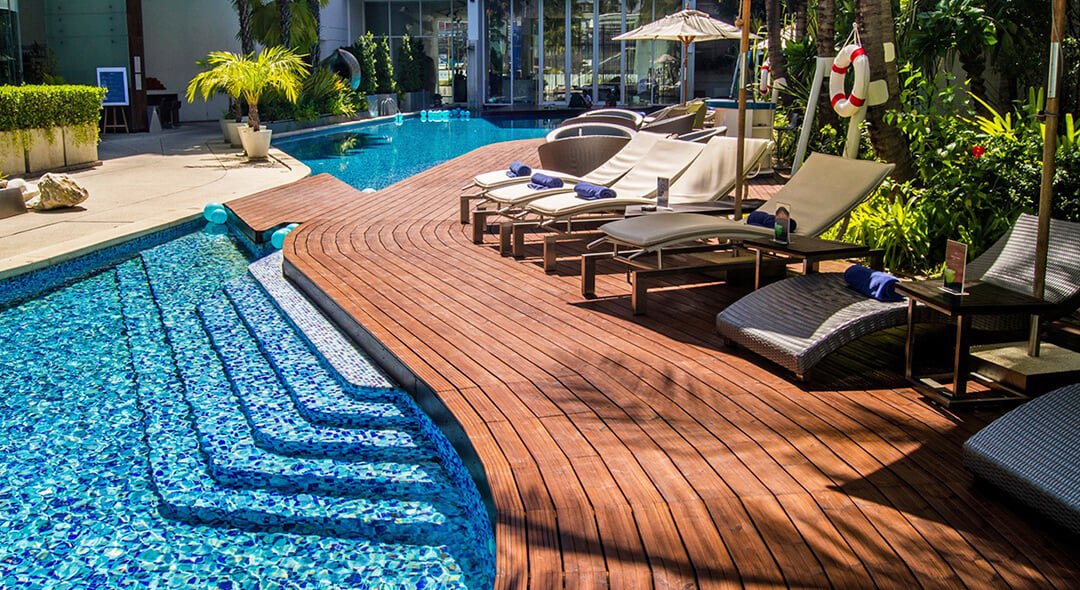
Wood and thermowood and its implementation on the floor of the building, villa, yard area, pool and garden
Wood and Thermowood are among the types of flooring that have gained tremendous popularity today. Certainly, the use of natural wood as a flooring material can come with some unique beauty but also several drawbacks. Among the most important drawbacks are the high cost of natural wood, vulnerability to moisture, high maintenance costs, susceptibility to molds, bacteria, and more. However, the aesthetic appeal of wood as a material can tempt people to use it for flooring. Thermowoods are processed woods that resemble natural wood in appearance and have been made resistant to many of the weaknesses of natural wood. This is why the use of wood and Thermowood in flooring is exceptionally popular nowadays. In the following, we intend to provide you with a comprehensive understanding of wood and Thermowood and their implementation in various spaces.
Advantages of Using Wood and Thermowood for Flooring:
As mentioned, Thermowoods exhibit exceptional resistance compared to natural wood. This is why they are considered a suitable alternative to natural wood in many applications. Some of the most significant advantages of using wood and Thermowood in building floors, villas, courtyards, and swimming pools include:
- Since no chemicals are used in the production of Thermowood, there will be no allergies or health issues associated with its use
- .Due to the elimination of moisture during the thermal treatment process, Thermowoods are highly resistant to moisture
- Thermowoods almost eliminate their moisture content during production, making them highly resistant to decay, insects, mold, fungi, and rot
- Applying paint and polish enhances resistance to insects and moisture, leading to increased durability and lifespan
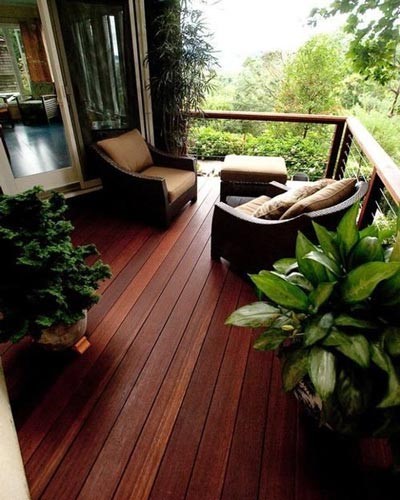
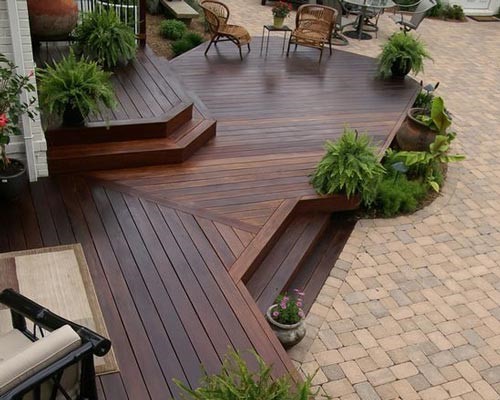
- Their appearance closely resembles that of natural wood, making them a perfect complement to the natural surroundings
- They are lightweight, contributing to a more efficient construction process.
- Energy optimization and prevention of energy waste while maintaining indoor temperature.
- Ease of installation.
- Easy maintenance.
- Higher resistance to natural elements like storms and cold weather.
- Capability to return to nature after disposal.
- Resistance to bending and flexing.
- Suitable sound insulation and high resistance to pressure forces like earthquakes.
Disadvantages of Using Wood and Thermowood for Flooring:
Wood and Thermowood can be used in various applications such as facade design, flooring, pergolas, and more. However, keep in mind that like other materials, they also have some disadvantages that you should be aware of before using them. Some of the most important disadvantages of wood and Thermowood include:
- High Cost: One of the drawbacks of Thermowoods is their relatively high price compared to other materials used for flooring. Since many Thermowoods are made from imported and exotic wood, their prices can be relatively expensive.
- Vulnerability to Direct Sunlight: Another drawback of Thermowoods is their vulnerability to direct sunlight. They tend to change color over time when exposed to sunlight, which can reduce their lifespan. If you plan to use them for outdoor flooring, it’s advisable to use Thermowoods with UV-resistant finishes to enhance their durability. Additionally, in humid environments, using Thermowoods with suitable finishes is necessary. Regular maintenance may be required to reapply protective finishes.
- Environmental Impact: The production of Thermowoods involves cutting down trees such as pine, which contributes to deforestation and environmental impact. Therefore, another drawback of these materials is their impact on the environment.

How to Install Wood and Thermowood Flooring:
Despite the ease of installing wood and Thermowood flooring, it’s recommended to have it done by experienced professionals, as the installation method can significantly affect their durability and lifespan. The installation process typically involves leveling the floor using suitable substrates, followed by installing metal frames in place. Subsequently, wooden support structures are placed on these frames and secured with galvanized screws. Finally, the Thermowood panels are placed and coated with a special wood finish to protect and enhance their appearance.
Important Pre-installation Considerations:
- Ensure the floor surface is thoroughly cleaned before starting the installation.
- Use frame connections that allow for expansion and contraction (due to temperature changes).
- All electrical wiring and utilities should be in place before installing Thermowood.
- Do not remove the nylon covering from the Thermowood until you are ready to install it to prevent contamination and damage.
- Cut the ends of the Thermowood before installation to eliminate any rough edges that could trap moisture.


Leave A Comment