
Water and sewage facilities

Plumbing has been around for centuries. The earliest plumbing systems were simple and used gravity to move water. These systems were often made of stone or clay pipes.
In the 18th century, the use of metal pipes became more common. Metal pipes were more durable and could withstand higher pressures than stone or clay pipes.
In the 19th century, the development of the flush toilet revolutionized plumbing. Flush toilets made it possible to dispose of wastewater in a more sanitary way.
In the 20th century, plumbing technology continued to improve. New materials, such as plastic and copper, were developed. These materials were lighter and easier to install than metal pipes.
Today, plumbing systems are essential for modern life. They provide us with clean water and dispose of wastewater safely and efficiently.
Plumbing systems are essential for providing clean water and disposing of wastewater in buildings. They are a complex network of pipes, fixtures, and appliances that work together to deliver water to where it is needed and remove wastewater from where it is not.
In this article, we will discuss the different types of plumbing systems, their features, and how to choose the right one for your needs.
Types of Plumbing Systems
There are two main types of plumbing systems:
- Gravity-fed systems rely on the force of gravity to move water through the pipes. These systems are the most common type of plumbing system and are used in most homes and businesses.
- Pressure-assisted systems use a pump to increase the pressure of the water, which helps to move it through the pipes more quickly. These systems are often used in tall buildings or buildings with long distances between the water source and the fixtures.
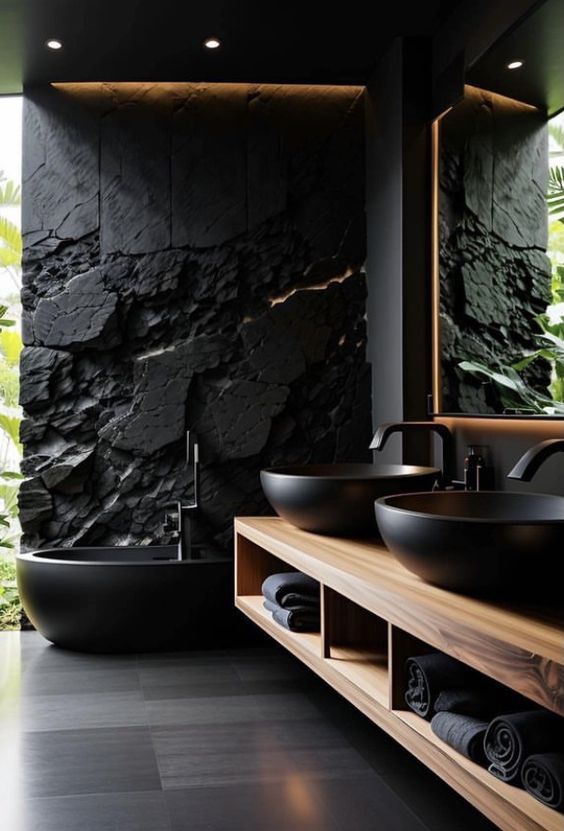
Plumbing Fixtures
Plumbing fixtures are the appliances that are used to deliver water or dispose of wastewater. There are many different types of plumbing fixtures, including:
- Water faucets are used to dispense water.
- Toilets are used to flush wastewater away.
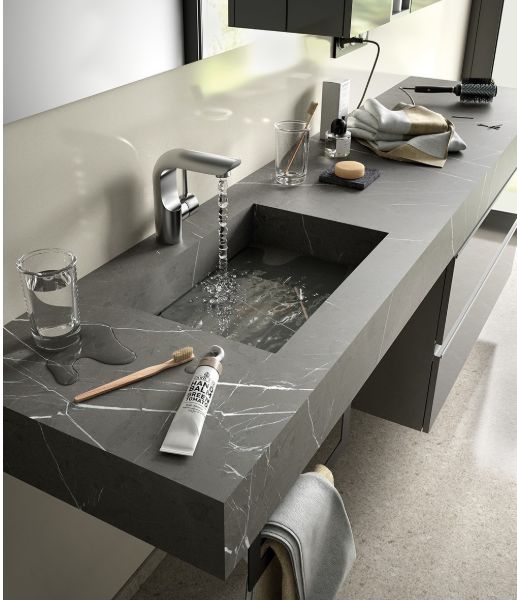
- Sinks are used to wash dishes and hands.
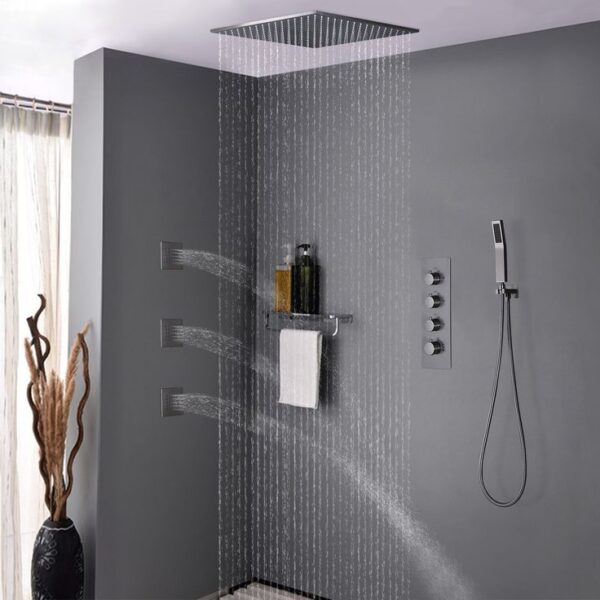
- Showers are used to bathe.
- Bathtubs are used to soak in.
Plumbing Pipes
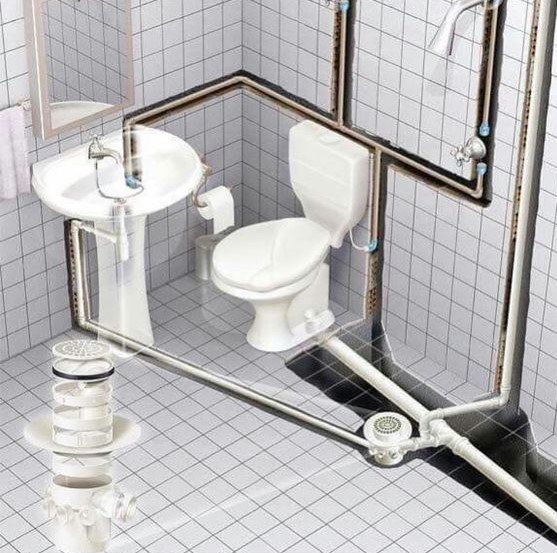
Plumbing pipes are the tubes that carry water and wastewater through the plumbing system. There are many different types of plumbing pipes, including:
- Copper pipes are durable and resistant to corrosion.
- Plastic pipes are less expensive than copper pipes and are easier to install.
- Galvanized steel pipes are strong and durable, but they can corrode over time.
Plumbing Components
In addition to fixtures and pipes, plumbing systems also use a variety of other components, including:
- Valves are used to control the flow of water.
- Fittings are used to connect pipes and fixtures.
- Appurtenances are additional components that are used to improve the performance of the plumbing system.
Choosing the Right Plumbing System
The best type of plumbing system for you will depend on your individual needs and budget. Here are some factors to consider when choosing a plumbing system:
- The size of your building: Larger buildings will require a more complex plumbing system than smaller buildings.
- The climate in your area: If you live in an area with cold winters, you will need a plumbing system that can withstand freezing temperatures.
- Your budget: Plumbing systems can range in price from a few hundred dollars to several thousand dollars.
Maintaining Your Plumbing System
Plumbing systems should be maintained regularly to ensure that they operate properly and efficiently. Maintenance tasks include:
- Inspecting the pipes and fixtures for leaks or damage.
- Cleaning the fixtures to prevent clogs.
- Flushing the water lines to remove sediment.
By following these tips, you can ensure that your plumbing system is in good working order and will provide you with years of service.
Here are some additional details you can read later in the article:
- A discussion of the different types of plumbing materials.
- A comparison of the different types of plumbing systems in terms of their cost, efficiency, and durability.
- Tips for troubleshooting plumbing problems.
- Information about the latest trends in plumbing technology.

Types of Plumbing Materials
Plumbing systems are made from a variety of materials, including:
- Copper: Copper is a durable and corrosion-resistant material that is commonly used for pipes.
- Plastic: Plastic is a less expensive and easier-to-install material than copper. However, it is not as durable and can be more susceptible to leaks.
- Galvanized steel: Galvanized steel is a strong and durable material that is commonly used for pipes in industrial applications.
- Concrete: Concrete is a durable material that is commonly used for pipes in underground applications.
Comparison of Plumbing Systems
Plumbing systems can be compared in terms of their cost, efficiency, and durability.
Cost: The cost of a plumbing system will vary depending on the size of the system, the materials used, and the complexity of the installation.
Efficiency: The efficiency of a plumbing system is measured by its ability to deliver water or dispose of wastewater without waste. More efficient plumbing systems use less water and energy.
Durability: The durability of a plumbing system is measured by its ability to withstand wear and tear over time. More durable plumbing systems will last longer and require less maintenance.
Troubleshooting Plumbing Problems
Plumbing problems can be caused by a variety of factors, including leaks, clogs, and damage to pipes or fixtures.
Here are some tips for troubleshooting plumbing problems:
- Inspect the pipes and fixtures for leaks or damage.
- Run a bucket of water through the pipes to check for leaks.
- Use a plunger or drain snake to clear clogs.
- Call a plumber if you are unable to fix the problem yourself.
Latest Trends in Plumbing Technology
Plumbing technology is constantly evolving. Here are some of the latest trends in plumbing technology:
- The use of smart plumbing systems: Smart plumbing systems use sensors and automation to improve the efficiency and performance of plumbing systems.
- The use of sustainable plumbing materials: Sustainable plumbing materials are made from recycled materials or renewable resources.
- The use of green plumbing technologies: Green plumbing technologies help to conserve water and energy.
By staying up-to-date on the latest trends in plumbing technology, you can ensure that your plumbing system is as efficient and sustainable as possible.

Conclusion
Plumbing systems are an essential part of any building. By choosing the right plumbing system and maintaining it properly, you can ensure that your building has a safe and reliable water supply and wastewater disposal system.
