
Smart building (BMS)

Building Management System (BMS) is a dream that we used to only see in movies in the past. Today, with technological advancements, building automation systems have turned this dream into reality by employing various components. Using a Building Management System (BMS) not only reduces energy consumption but also offers numerous advantages, which we will explore in this article.
What is Building Management System (BMS)?
A smart home, also known as Building Management System (BMS), is a system that allows intelligent management and control of various elements within a home or building. For example, it enables actions such as scheduling curtain movements at specific times of day, remote control via mobile devices or the internet, turning on and off televisions, opening and closing doors, and controlling air conditioning systems from mobile devices or laptops. BMS provides users with the convenience of controlling various building functions easily.
This system is installed in residential complexes, commercial buildings, recreational areas, transportation terminals, skyscrapers, and more, enabling quick and efficient control of various building components. A smart BMS system can prevent various hazards and risks, enhance building security against theft, reduce unnecessary lighting usage, optimize heating and cooling systems to minimize energy wastage, detect gas leaks, and much more, ultimately improving equipment performance and preventing potential dangers.
In the process of implementing smart building automation, there may be a need to modify the building’s wiring plan, install various smart components like smart switches and modules according to BMS engineering standards. However, in wireless systems, there is no need to modify the building’s wiring. A Building Management System (BMS) allows users to control and manage home and building devices through various methods such as smartphones, text messages, tablets, computers, the internet, and touch or non-touch switches from anywhere in the world.

Advantages of Using Building Management System (BMS):
The BMS building intelligence system, most of the tasks that are done by human power are performed by the BMS intelligent systems. Considering this issue, it is obvious that it will save energy, manpower and consequently time and money. In the long run, these things cause return of investment. In addition to economical benefits and reduced costs due to energy and labor consumption, the possibility of errors is also greatly reduced. In addition to the above, all the mechanical and electrical systems of the building are under your control from anywhere in the world.
Due to the fact that the implementation of the BMS building smart system does not cost much, these amounts will be compensated in a short period of time after the launch of this system. In addition, more comfort is created for users. The intelligent system works automatically and according to the predetermined program. For this reason, human errors do not find their way into it.
By using a variety of sensors in the entire building, as well as using an integrated mechanism, comfort and security conditions can be controlled. In order to create an intelligent BMS building system, special hardware and software equipment is needed. Also, one of the most interesting features of the BMS smart building system is the setting of the execution pattern or scenario, which means that it is possible to create a setting in the system to perform several related or unrelated tasks at certain hours and under certain conditions by pressing a button or automatically. For example, a birthday scenario where the lights are turned on and off at specific times, selected music is played, etc., of course, the description of this system does not end there and there are many tips and standards about this system.
In the BMS building smart system, sufficient knowledge of the designer and installation technicians in the field of electricity, electronics, building and computer facilities is very important. To the extent that the system installation technician has more knowledge in this field, he can provide a more optimal and intelligent system to the employer.
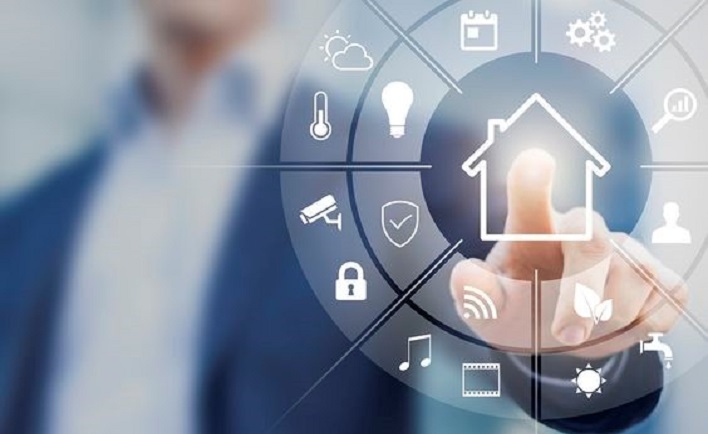


Other advantages of building smartness include the following:
- Improved Service Quality: BMS enhances the quality of services provided within the building.
- Energy Savings: Smart building systems significantly reduce energy consumption by optimizing heating, cooling, and lighting systems.
- Extended Equipment Lifespan: BMS ensures efficient use of building equipment, leading to longer equipment lifespans.
- Enhanced Security: BMS’s precision and programmability contribute to increased building security.
- Efficient Scheduling: Users can program and schedule various functions within a smart building to operate automatically at specific times of the day.
- Reduced Wiring Complexity: Smart buildings reduce wiring complexity due to centralized control.
- Lower Operating Costs: BMS can lead to reduced operating costs associated with building maintenance.
- Improved Safety: Precise control offered by BMS enhances overall building safety.
- Detailed Reporting: BMS provides detailed reporting and control of various building systems through computer, mobile, and internet interfaces.
- Customizable Automation: Users can customize automation to meet their specific daily needs.
In conclusion, Building Management System (BMS) technology is essential for modern buildings, offering increased efficiency, comfort, security for occupants, reduced operational costs, and a reduced environmental footprint. The advantages of BMS go beyond just energy savings, providing a smarter and safer living or working environment.
Things that can be controlled by smart building , BMS
Building Management System (BMS) can control various aspects of a building’s operation. This process involves the installation and configuration of different hardware and software components. The following are some of the controllable aspects using BMS in a building:
- HVAC (Heating, Ventilation, and Air Conditioning) System: BMS can regulate temperature and air pressure, optimizing energy usage.
- Lighting and Communication Systems: You can schedule lighting and use smart lighting systems efficiently.
- Building Infrastructure Systems: BMS can manage various building infrastructure components.
- Audio and Visual Systems: Control audio and visual equipment for different purposes.
- Building Access and Parking: Manage building access control systems and parking facilities.
- Green Space Irrigation Systems: Control irrigation systems for green spaces.
- Monitoring, Measurement, and Scheduling Systems: Use BMS for monitoring, data measurement, and scheduling tasks.
- Automated Alert Systems and Fire Suppression: Implement automated alert systems and fire suppression controls.
- Security Systems: Integrate security cameras, access control, and alarm systems.
- Elevators and Escalators: Control elevators and escalators for efficient building transportation.
Requirements for BMS
may not necessarily involve replacing existing equipment and building installations. You do not have to replace your devices, such as HVAC units or lighting fixtures. BMS can communicate with conventional devices and control them intelligently. Additionally, new smart devices and peripherals, like smart switches and central touch panels, will be integrated and installed according to BMS engineering standards in the building.

Components of a Building Management System (BMS) include:
- Sensors: Various sensors are installed throughout the building, such as motion sensors, temperature sensors, light sensors, smoke detectors, glass break sensors, open/close sensors, humidity sensors, microphones, and more. These sensors convert received data into signals, which are then sent to the central control unit.
- Central Control Unit: This is the core of a BMS. It typically operates independently and is programmed using computer software. It includes components like a CPU, main controllers, contactors, and relays.
- System Software: Software applications, often accessed through a central touch panel, optimize BMS functionality, including event logging, reporting, and visual communication.
- Timers: Timers are used to schedule timed commands.
- Light Dimmers: Dimmers electronically control lighting levels, optimizing lighting conditions.
- Communication Lines: Communication lines connect all BMS components and enable data exchange between them. These can be wired building lines, multi-core cables, or wireless signals.
- Access Points and Controllers: These devices display information and control various building components, such as lighting, temperature, and equipment status. They differ from the central control unit in terms of their capabilities.
- Web Server: A web server allows remote access to the BMS from anywhere in the world.

Types of Building Management System (BMS) Standards:
There are various standards and methods for BMS, such as KNX, BACnet, C-Bus, LonWorks, and LON. Among these, the most important and common standards are Bacnet and KNX. Each of these standards has different subsystems. Below, we explain the management of these systems:
KNX Standard: KNX is a global standard for smart building control. Since 2006, its use has been increasing, and many smart homes are being equipped with KNX-based systems. KNX allows you to program and integrate equipment from different brands into a unified software system. KNX is known for its energy-saving capabilities, reducing energy consumption by up to 60%, and minimizing resource waste. KNX-compliant products are widely available in the market, providing flexibility and compatibility.
BACnet Standard: BACnet is suitable for large-scale systems with numerous control points. It is designed for complex buildings and systems. BACnet has been recognized as a national standard for building automation since December 1995 by the American National Standards Institute (ANSI). BACnet continually evolves to meet the needs of building owners, making it a globally recognized and widely adopted standard. One of its notable features is the ability to seamlessly integrate products from various manufacturers, ensuring compatibility and flexibility.
Smart buildings are not just a dream or a cinematic concept. Using a Building Management System (BMS), you can achieve up to 30% energy savings and cost reductions while enhancing user comfort. In densely populated buildings and multi-purpose structures, BMS installation and operation are essential. BMS not only benefits occupants but also contributes significantly to environmental conservation.
