
Reconstruction and Renovation of Buildings
From Zero to One Hundred: Building Reconstruction and Renovation
There is no person who owns a building and does not need reconstruction or renovation. However, a lack of knowledge and awareness of practical issues can cause difficulties for some individuals. Among these, overspending is the most common problem. Another issue that can be troublesome is delaying these operations. Usually, if reconstruction and renovation are done at the right time, they can have many benefits. Some of the most important benefits include preventing potential accidents and significantly reducing costs. In this article, we aim to familiarize you with the process of building reconstruction and renovation from start to finish, so that you can prevent potential problems and mistakes. So if you intend to do such work, stay with this article from the Dano collection.
What You Will Read in This Article:
1. What is the Difference Between Reconstruction and Renovation of a Building?
2. Cases Involving Building Renovation.
3. Cases Involving Building Reconstruction.
4. What Are the Benefits of Building Reconstruction and Renovation?
5. Does Reconstruction and Renovation Require a Permit?
6. Introduction to Types of Renovation Styles.
7. Introduction to Types of Architectural Styles and Design.
8. General Stages of Building Reconstruction and Renovation.
9. Benefits of Collaborating with Companies.
What is the Difference Between Reconstruction and Renovation of a Building?
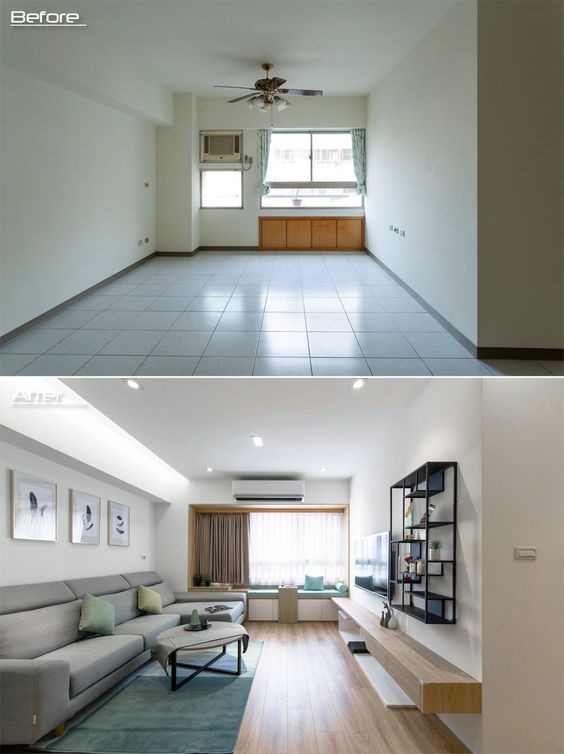
Renovation means renewing the appearance of a building. In building renovation, the main structural elements remain unchanged. The goal of this work is beautification or improvement of some elements.
Reconstruction is slightly more complicated than renovation. In building reconstruction, the structures can change significantly. In reconstruction, a part can be removed or relocated, and even the infrastructure can be altered. Reconstruction is carried out with the help of architects because it requires a high level of sensitivity. The aim of reconstruction is to increase the durability and lifespan of the building or to optimize the use of the building’s space.
In summary, the difference between reconstruction and renovation of a building is that renovation only deals with superficial matters, while reconstruction can change the overall structure.

Items Included in Building Renovation:
- Major structural changes to the building
- Restoration of old building structures
- Restoration of the building facade
- Insulation
- Replacement of building materials
- Various types of plumbing work
- Changing the structure of utilities
- Adding or removing rooms
- Removing columns
- Adding or removing stairs
- Changing heights
- Relocating doors or windows
Items Included in Building Reconstruction:
- Installing new wallpaper
- Lighting
- Installing new flooring
- Changing decoration
- Replacing countertops and cabinets
- Installing a false ceiling
- Replacing sanitary fixtures
- Replacing or installing new sinks or faucets
- Replacing doors and their handles
- Replacing windows
- Painting
- Internet of Things (IoT) and smartification
- Soundproofing
- Improving heating and cooling systems
- Spatial remodeling to some extent without changing the overall building plan
- Repairing cracks and moisture-related damages
Benefits of Building Reconstruction and Renovation:
- Regardless of whether your property is residential, commercial, small, large, old, or new, reconstruction and renovation offer numerous benefits in any scenario.
- Proper reconstruction can exempt you from purchasing a new property.
- When done at the right time, reconstruction can increase the lifespan of a building by preventing wear and tear.
- Renovation and reconstruction enhance the durability and resilience of a building against events such as earthquakes and fires.
- Optimizing space utilization is one of the key benefits of renovation and reconstruction.
- While renovation and reconstruction may incur upfront costs, they lead to long-term cost savings.
- Renovation and reconstruction significantly boost the morale of users.
- For individuals involved in real estate, renovation and reconstruction can be highly profitable, increasing the property’s value and facilitating quick sales.
Do Renovation and Reconstruction Require Permits?
Not all cases of building renovation and reconstruction require permits. For renovation operations, no permits are generally required. However, permits are necessary for some reconstruction-related activities, and they are typically issued by the local municipality. Activities that may require permits include:
- Demolishing walls
- Relocating stairs
- Relocating the building’s entrance door
- Any changes to the original building plan
- Any changes that compromise the structural integrity of the building
- Changes to the approved façade
- Changes in building usage
Introduction to Types of Renovation Styles:
Renovation styles are broadly categorized into traditional and contemporary. Traditional styles are less common today, so we focus on contemporary renovation styles, which include:
Preservation: Emphasizes preserving and maintaining the existing building’s features.
Anastylosis: Suitable for very old buildings, this method maintains the architectural integrity and structure.
Cleaning: Focuses on cleaning and removing excessive or unnecessary elements.
Completion: Adds structures or components that were omitted by previous architects, including half-finished or damaged elements.
Change of Use: Changes the building’s purpose, which often requires permits.
Introduction to Types of Architectural Styles and Interior Design:
In architecture and interior design, various styles can be applied during renovation or reconstruction to achieve specific aesthetics. Some popular architectural styles include:
- Classical
- Neoclassical
- Roman
- Modern
- Postmodern
- Art Deco
- Baroque
- Renaissance
- Gothic
- Romanesque
- Futurism
- Abstract
Interior design styles are also diverse, including:
- Minimalist
- Traditional
- Modern
- Classical
- Neoclassical
- Monochrome
- Contemporary
- French
- Coastal
- Palm
- Royal
- Mediterranean
- Industrial
- Country
- Hampton
- Japanese
- Chinese
Choosing a style in architecture and design helps communicate your expectations clearly to contractors and prevents deviations and regrets during the project. It also allows for precise financial planning.

General Stages of Building Reconstruction and Renovation:
- Team Selection
- Consultation with the Team
- Style Selection
- Budgeting
- Design
- Material Selection
- Permit Acquisition (if required)
- Demolition
- Execution
- Client Inspection
- Final Approval
Benefits of Collaborating with Companies:
With the emergence of design and architecture companies, traditional methods have become outdated due to various challenges. Successful companies like Dano can address all your reconstruction and renovation needs with the highest possible quality and cost-effectiveness. Benefits of collaborating with reputable companies include:
- Utilizing the expertise of educated and experienced professionals.
- Employing specialists for every aspect of the work, ensuring adherence to the project’s scope.
- Reduced errors and cost reduction through previous work examples.
- Sensitivity to project timelines, preventing cost overruns.
