
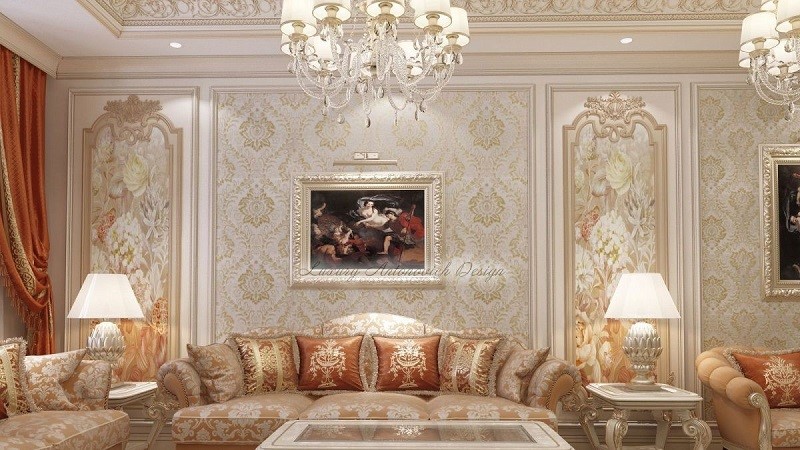
Familiarity with wallpaper and its types
What is Wallpaper?
Wallpaper, also commonly referred to as wallpaper or wall covering, is one of the best ways to add striking beauty to your home or workplace. No one dislikes changing decor and living in a luxurious space. One of the amazing ways to make a change in any space is by transforming its walls. Although in the not-so-distant past, this could be achieved simply through wall plastering or in some cases, decorative plasterwork, nowadays, as the boundaries of interior design have expanded, wallpapers are the ones that can take on this crucial responsibility and excel at it.
You might ask, what is wallpaper exactly?
Interestingly and importantly, wallpaper is a type of decorative covering with various patterns and designs used to cover wall surfaces. It’s worth mentioning that wallpapers are produced in four different types, including embossed, flat print, silk screen, and rotary print, and are introduced into the consumer market.
You can purchase the wallpaper of your choice in rolls and easily apply it to your desired wall using specialized adhesive, thereby enhancing the beauty of your home without any hassle!
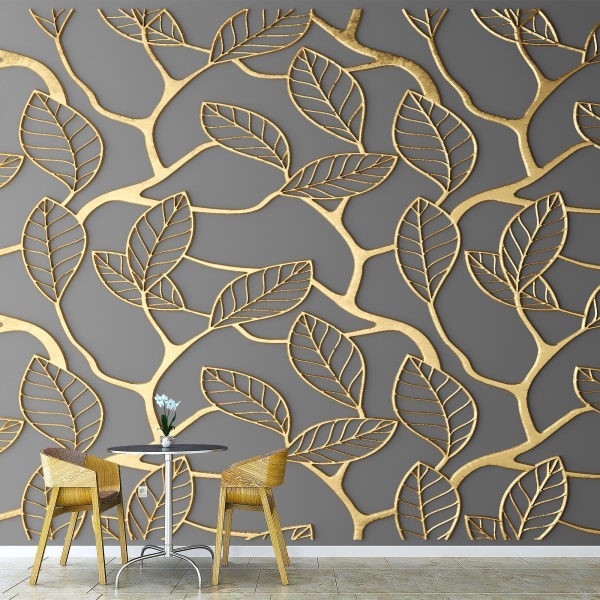
Advantages of Wallpaper:
Luxurious and Unique:
One of the most significant advantages of wallpaper is creating a luxurious and unique space. As mentioned earlier, wallpapers come in various patterns and colors, allowing you to choose the suitable design, texture, and color for your desired space. Resistance to heat, moisture, and dirt is among the other important features of wallpapers.
Cost-effective:
If you think that buying wallpaper incurs high costs, you are mistaken. Wallpaper is quite cost-effective, making it one of the best and most economical ways to change your decor. However, it’s important to note that the initial cost of purchasing and installing wallpaper may be higher compared to paint. Still, considering its longevity and durability, it offers better cost-effectiveness.
Ease of Cleaning:
One of the appealing advantages of wallpaper is that it can be cleaned without causing any damage.
Disadvantages of Wallpaper:
Alongside the numerous and diverse advantages of wallpapers, they also have some drawbacks and challenges. The design of some wallpapers is created in a way that using them may make the space appear smaller. Therefore, it’s essential to choose the most suitable wallpaper for your space during the purchase.
Textured Wallpaper:
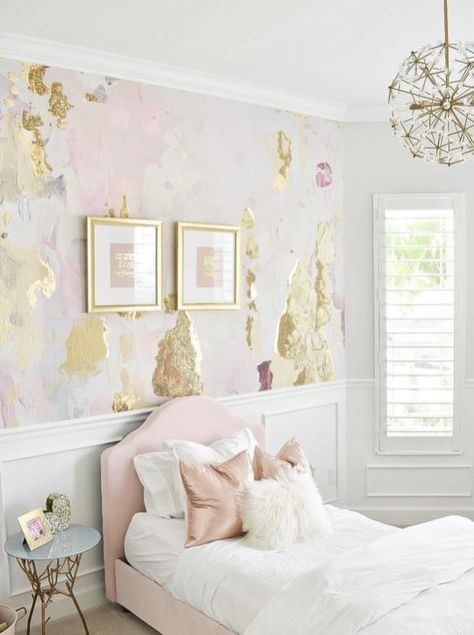
Textured wallpapers, also known as velvet wallpapers, have a structure consisting of patterned velvet fabric or plastic velvet pieces. The base of these wallpapers is either made of fabric or PVC wallpaper. The beauty of these wallpapers, often produced in dark colors, makes them a suitable choice for use in luxurious spaces.
Natural Fiber Wallpaper:
This type of wallpaper, which is relatively rare, has a relatively high price. It’s interesting to note that natural Finnish wood is used in the production of these unique wallpapers. The high durability, compatibility with nature, hypoallergenic nature, resistance to tearing and dirt, resistance to sunlight, and more, are just some of the exceptional features of this wallpaper. If you intend to create a natural and pleasant space in your home, natural fiber wallpaper is the best choice for you.
How to Install Wallpaper
Wallpaper is a great way to add a touch of style and personality to your home. It can be used to create a variety of looks, from traditional to modern. If you’re thinking about installing wallpaper yourself, there are a few things you need to know.
Step 1: Prepare the walls
The first step is to prepare the walls. They should be clean, dry, and free of any loose paint or wallpaper. If the walls are uneven, you may need to apply a coat of joint compound to smooth them out.
Step 2: Choose the right wallpaper
There are many different types of wallpaper available, so it’s important to choose the right one for your needs. Consider the style of your home, the amount of light in the room, and the amount of traffic the walls will receive.
Step 3: Measure the walls
Once you’ve chosen your wallpaper, it’s time to measure the walls. This will help you determine how much wallpaper you need to purchase.
Step 4: Cut the wallpaper
Once you know how much wallpaper you need, you can start cutting it. Be sure to leave a few inches of extra wallpaper at the top and bottom for trimming.
Step 5: Apply the wallpaper paste
The next step is to apply the wallpaper paste. Follow the instructions on the wallpaper paste package.
Step 6: Apply the wallpaper
Start by applying the wallpaper paste to the top of the wall. Then, carefully align the wallpaper and smooth it out with a roller or squeegee.
Step 7: Trim the excess wallpaper
Once the wallpaper is in place, use a sharp knife to trim off any excess wallpaper.
Step 8: Let the wallpaper dry
Allow the wallpaper to dry completely before using the room.
Tips for installing wallpaper
- If you’re installing wallpaper in a room with a lot of windows, be sure to apply the wallpaper in the morning or evening when the light is indirect. This will help you avoid seeing any bubbles or wrinkles in the wallpaper.
- If you’re installing wallpaper in a room with a lot of traffic, be sure to choose a durable wallpaper that can withstand wear and tear.
- If you’re not comfortable installing wallpaper yourself, you can always hire a professional.
Conclusion
Walls play a significant role in the construction industry. Therefore, covering them is of great importance. The above-mentioned types of wallpapers are just some of the many available in the market. By carefully considering your desired space and its features, you can choose the most suitable type of wallpaper and bestow unique beauty upon the interior walls of your building.


Leave A Comment