
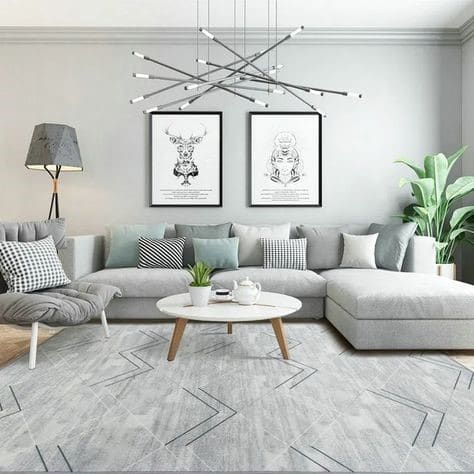
Carpet and Its Installation in Building Flooring
One of the suitable flooring options for interior spaces in buildings is carpets, which today come in a wide variety of patterns, colors, and textures. A notable point is the competition between carpets and parquets. Many people do not know which one of these flooring options is more suitable. Therefore, it is better to become fully acquainted with the characteristics of these carpets for a better choice. Since patterned carpets that resemble parquet patterns are abundantly available in the market, many people have welcomed these carpets. For this reason, we intend to fully acquaint you with everything you need to know about carpets and their installation in building flooring.
Types of Carpets
Patterned Carpets:
Various types of patterned carpets are produced with different colors and designs. High Pile Carpets: High pile carpets come in two types: loop and cut. Loop-type carpets have a circular texture, while cut-type carpets are similar to rugs.
Low Pile Carpets:
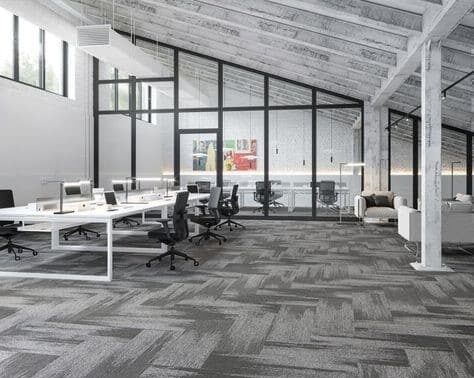
Low pile carpets, due to their thickness and high resistance, are the best choice for using carpets in offices and companies. Unlike high pile carpets, this style is easy to clean.
Berber Carpets: These carpets have a small diameter and are slightly rough, making them less comfortable.
Carpets with Polypropylene and Polyester Yarns:
Carpets with polypropylene yarns do not absorb stains and are resistant to them. However, they are very susceptible to collecting dust and dirt from the environment. Cleaning them is easily possible with bleach. Polyester yarn carpets are weak against stains and are not suitable for high-traffic areas. Polyester carpets are highly sought after due to their wide range of colors and resistance to fading.
Characteristics of Carpets Suitable for Building Flooring
If you also plan to use carpets as the flooring for your home, it is better to become fully acquainted with the characteristics of carpets suitable for building flooring before making a purchase. Pay attention to these features when buying. Some of the most important features of these floor coverings include the following:
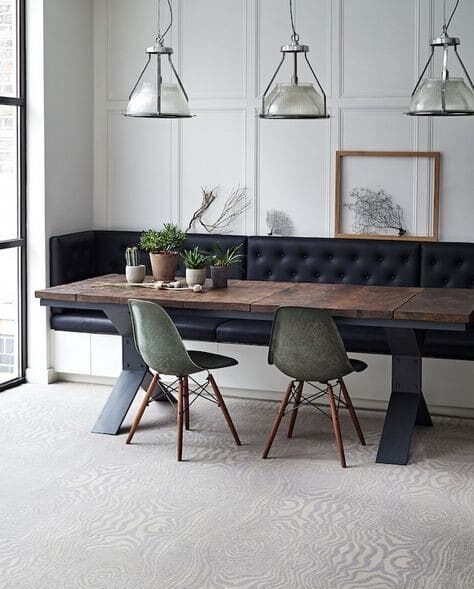
Aesthetic Appeal: One of the most important features of these floor coverings is their visual beauty and appearance. Since these carpets come in a wide variety of patterns, textures, and colors, it is better to pay attention to the interior design style and color palette when making a purchase. Coordinating carpets with the furnishings and interior design style of your home can greatly enhance their appearance.
Flexibility of Carpets: Another feature of these floor coverings is their flexibility and softness compared to other flooring options. If you are looking for floor coverings that do not lead to foot and joint pain after a while, it is better to use these carpets. Since these carpets are not as hard as parquet, ceramics, stone, etc., they will not cause fatigue in your feet after a while. In general, if you have young children at home, these carpets are safer than other floor coverings used in buildings.
Thermal Insulation:
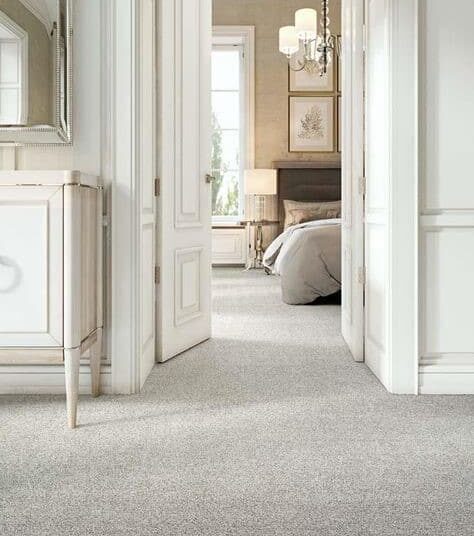
Carpets serve as excellent thermal insulation. They provide a comfortable temperature in hot or cold seasons. A comfortable temperature means preventing energy loss and saving on energy consumption throughout the year.
Less Noise and Greater Safety: Another feature of carpets as building flooring is that they produce less noise during movement, and they are safer for people. Because carpets prevent noise when walking around. Also, the likelihood of slipping on carpets is very low. Therefore, if you have young children at home, these carpets can be a very suitable choice.
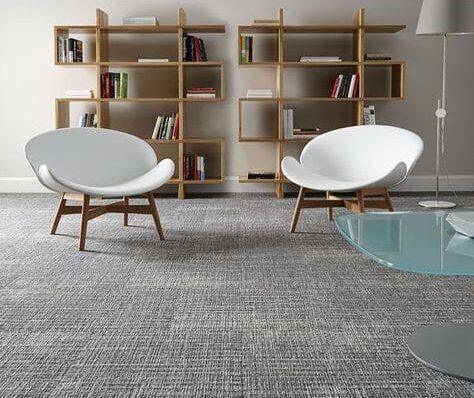
Advantages and Disadvantages of Carpets as Building Flooring
Certainly, understanding the advantages and disadvantages of these carpets will help you make a more informed decision when purchasing the most suitable flooring. Therefore, in the following, we will fully introduce you to all the advantages and disadvantages of these carpets.
Advantages:
Affordable Price: These carpets are very cost-effective compared to other flooring options.
Ease of Transportation: Another advantage of these carpets is their ease of transportation. Since carpets are usually packaged and have a lower weight compared to other floor coverings, they can be easily moved using stairs or elevators.
Customization of Decoration: With a wide variety of designs, exceptional colors, and different textures, you can easily use these carpets to divide a part of the building or your home.
High Diversity: Nowadays, you can easily purchase these carpets with various designs, extraordinary colors, and different textures. Therefore, you can easily coordinate these carpets with your desired decoration.
Flexibility: On the other hand, these carpets are softer and more flexible than other floor coverings. They prevent the feeling of hardness under your feet and are easily cut to fit the dimensions of the desired space.
Disadvantages:
Quick Staining: Carpets stain quickly.
Difficult Cleaning: Cleaning and washing carpets can be challenging.
Not Suitable for Humid Spaces: Carpets are not suitable for humid environments.
Allergies and Dirt: Carpets can cause allergies and accumulate dirt if you have pets.
Less Durability: Carpets are less durable than other floor coverings.
Quick Absorption of Contaminants: Carpets quickly absorb contaminants.
Installing Carpets in Building Flooring
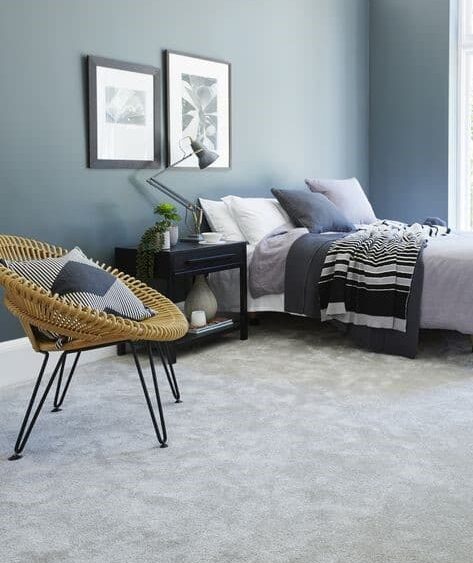
As mentioned, the ease of installing and executing these carpets is considered one of their advantages. These carpets can be easily installed and used in the desired location with or without adhesive. After installation, you can easily cut off any excess using a cutter or professional scissors. Also, the execution of these carpets is very fast. Therefore, you can implement these carpets throughout the entire space in one day. Despite the ease of executing these carpets, it is better to seek help from experienced professionals for installation. Improper cutting can affect the beauty of the carpet. It is also essential never to use these carpets in wet and humid spaces. Because in addition to the difficulty of cleaning these carpets, their lifespan will also be reduced with frequent exposure to moisture.


Leave A Comment